لا يوجد نطاق في سلة التسوق
أحيانًا تحتاج علامتك التجارية إلى تغيير—ليس الربع القادم، وليس الشهر القادم، ولكن الآن. ربما تكون هناك أزمة علاقات عامة تختمر, أو أصبح اسمك فجأة يعني شيئًا مؤسفًا في لغة أخرى, أو أطلق منافسك الرئيسي للتو علامة تجارية شبه مطابقة. أيًا كان السبب, فأنت بحاجة إلى استراتيجيات طارئة لإعادة بناء العلامة التجارية تعمل بسرعة دون تقويض الثقة التي بنيتها.
دعنا نحلل بالضبط كيفية التعامل مع هذا الموقف عالي الضغط مثل المحترفين.
ما أهمية استراتيجية قوية لإعادة بناء العلامة التجارية؟
عندما تضرب الأزمة، غالبًا ما يعود الفرق بين العلامات التجارية التي تنجو وتلك التي تنهار إلى شيء واحد: الاستعداد. استراتيجية إعادة العلامة التجارية القوية ليست مجرد شيء لطيف — بل درع أساسي عندما تواجه علامتك التجارية تحديات غير متوقعة تتطلب تحركًا فوريًا.
استراتيجية إعادة العلامة التجارية القوية تعمل كشبكة أمان لك عندما يسير كل شيء في الاتجاه الخاطئ. بدونها، فأنت تقفز من طائرة وتخيط مظلتك في طريقك للأسفل.
إعادة العلامة التجارية الطارئة الجيدة لا تعني مجرد لصق شعار جديد عند وقوع المشكلة. بل تعني الحفاظ على ما يحبه عملاؤك بالفعل مع إصلاح ما هو معطوب. الشركات التي لديها خطط إعادة علامة تجارية قوية تتعافى أسرع بنسبة 70% من أزمات العلامة التجارية واحتفظ بعملاء أكثر بنسبة 60% خلال فترة الانتقال.
عندما غيّرت Slack شعارها في 2019, لم يكتفوا بتبديل الصور—بل جهّزوا جمهورهم بتواصل واضح حول لماذا حدث التغيير وما الذي سيبقى على حاله. النتيجة؟ بدلًا من رد الفعل المعتاد على وسائل التواصل الاجتماعي، رأوا زيادة في درجات المشاعر تجاه العلامة التجارية.
فهم الحاجة إلى تغيير هوية علامتك التجارية
ليست كل حالات إعادة بناء العلامة التجارية متساوية. فبينما تمتلك بعض الشركات رفاهية التخطيط لإعادة العلامة التجارية على مدى شهور أو سنوات, تواجه شركات أخرى ظروفًا تتطلب تحركًا فوريًا. ويمكن أن يشكّل إدراك هذه السيناريوهات العاجلة الفرق بين التعافي السريع والضرر الدائم.
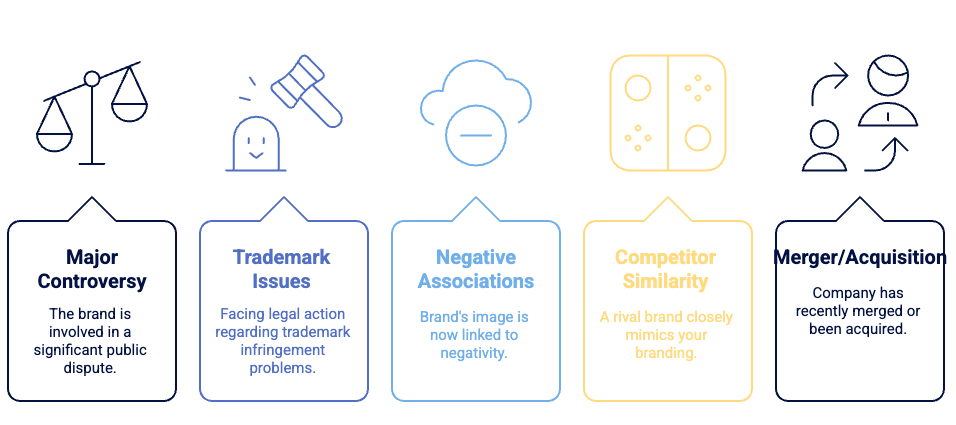
قد تحتاج إلى إعادة العلامة التجارية الطارئة إذا:
-
تورطت علامتك التجارية في جدل كبير
-
لقد وُجّه إليك إنذار بوقف النشاط بسبب مشكلات في العلامة التجارية
-
اسم علامتك التجارية أو صورتها أصبح فجأة يحمل ارتباطات سلبية
-
منافس اتخذ موقعًا مشابهًا جدًا لموقعك
-
مرّت شركتك بعملية اندماج أو استحواذ خاطفة
خذ بيربيري—بمجرد أن ارتبط نمطها المميز للمربعات بملابس العصابات في المملكة المتحدة، احتاجوا إلى التصرف بسرعة. لم يهلعوا. بدلاً من ذلك، خضعوا لـ إعادة تمركز محسوبة بقيادة الرئيسة التنفيذية أنجيلا أرندتس التي أعادت الحيوية إلى العلامة التجارية البريطانية التاريخية مع الحفاظ على تراثها.
كيف يمكن لإعادة بناء شاملة للعلامة التجارية أن تحوّل هوية علامتك التجارية
غالباً ما تحمل الأزمة فرصة، خصوصاً عندما يتعلق الأمر بهوية العلامة التجارية. إعادة بناء سريعة ومدروسة للعلامة التجارية لا تحل المشكلات الفورية فحسب—بل يمكن أن تضع شركتك في موقع يسمح بالنمو بطرق لم تستطع هويتك السابقة تحقيقها.
إعادة العلامة التجارية الطارئة التي يتم تنفيذها جيدًا يمكن أن تحول الأزمة إلى فرصة. عند القيام بها بشكل صحيح، يمكنها:
-
أعد ضبط الانطباعات السلبية في غضون ليلة تقريبًا
-
أطلق ضجة تجذب عملاء جددًا بالفعل
-
يمنحك فرصة للتوافق بشكل أفضل مع اتجاهات السوق الحالية
-
تتيح لك إصلاح مشكلات التموضع التي كنت ترغب في معالجتها على أي حال
بعد أزمة سلامة غذائية، لم تكتفِ تشيبوتلي بتغيير إجراءاتها—بل حوّلت وعد علامتها التجارية بالكامل حول نزاهة الغذاء. الخاص بهم سلطت حملة "For Real" الضوء على جودة المكونات, محوّلًا ما قد يقتل علامتك التجارية إلى ميزة تنافسية قوية.
العناصر الأساسية لعملية إعادة بناء العلامة التجارية الناجحة
ليست كل عمليات إعادة بناء العلامة التجارية الطارئة تنجح. الفرق بين إعادة بناء تنقذ شركتك وأخرى تصبح كارثتها غالباً ما يعود إلى بضعة عناصر حاسمة لا يمكن تجاهلها، حتى عندما يكون الوقت ضيقاً.
إعادة علامة تجارية طارئة ناجحة تحتاج إلى:
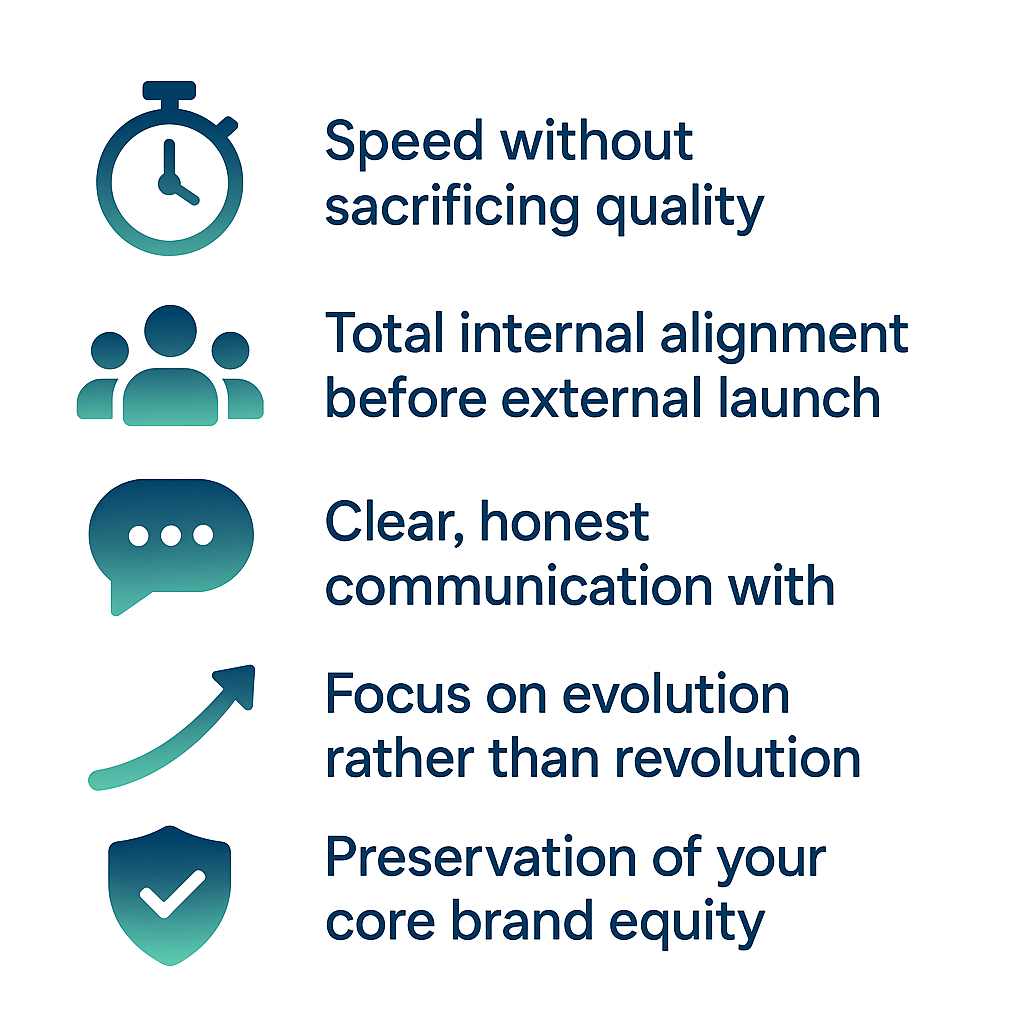
هذا ليس وقت اللجان وستة أشهر من مجموعات التركيز. تحتاج إلى فريق متماسك يمتلك سلطة اتخاذ القرار ومواعيد نهائية صارمة تُقاس بالأيام، لا بالأسابيع.
كيف تحدد متى يحين وقت التغيير?
التوقيت هو كل شيء في إعادة العلامة التجارية الطارئة. التعرف على الإشارات التي تتطلب اتخاذ إجراء فوري—بدلاً من التطور التدريجي—يمكن أن ينقذ علامتك التجارية من ضرر طويل الأمد ويضعك في موضع يسمح بعودة أقوى.
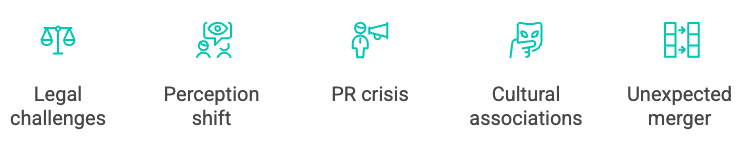
قد تحتاج إلى إعادة علامة تجارية طارئة إذا كنت تتعامل مع:
-
تحديات قانونية تخص أصول علامتك التجارية
-
تحول مفاجئ في التصور العام
-
أزمة علاقات عامة كبرى مرتبطة مباشرة بهوية علامتك التجارية
-
ارتباطات ثقافية سلبية غير متوقعة
-
اندماج حدث أسرع من المتوقع
الفرق الرئيسي بين إعادة العلامة التجارية العادية وإعادة العلامة التجارية الطارئة هو الوقت—فأنت لا تملك رفاهية خطة إطلاق تمتد 12 شهراً.
تقييم وضع علامتك التجارية الحالي في السوق
حتى في وضع الأزمة، الاندفاع إلى إعادة بناء العلامة التجارية دون فهم نقطة انطلاقك أمر خطير. تقييم سريع لكن شامل لموقعك الحالي يمنحك الأساس لتغييرات ذكية واستراتيجية بدلاً من هلع تفاعلي.
قبل أن تغيّر أي شيء, قم بفحص سريع لوضع العلامة التجارية:
-
ماذا يعتقد الناس حاليًا عن علامتك التجارية؟ (استخدم أدوات الاستماع الاجتماعي السريعة)
-
ما عناصر العلامة التجارية التي يهتم بها العملاء فعلاً؟
-
ما هي درجة المشاعر الحالية تجاه علامتك التجارية?
-
ما الجوانب التي تحتاج فعلاً إلى تغيير في هويتك مقابل ما يمكن أن يبقى?
في عام 2018، أعادت ويت واتشرز تسمية علامتها إلى "WW" لتبتعد عن ثقافة الحميات—لكنها تحركت بسرعة كبيرة دون تقييم مناسب. النتيجة؟ ارتباك العملاء وانخفاض كبير في المخزونe خلال أشهر من التغيير.
تقييم ملاحظات أصحاب المصلحة حول تصوّر العلامة التجارية
لا توجد علامتك التجارية في عزلة — فهي تعيش في أذهان العملاء والموظفين والمستثمرين والشركاء. الحصول على ملاحظات سريعة ومركزة من أصحاب المصلحة هؤلاء يمكن أن يكشف النقاط العمياء ويساعدك على تجنب الأخطاء أثناء إعادة علامتك التجارية الطارئة.
في حالة إعادة العلامة التجارية الطارئة, ليس لديك وقت لإجراء بحث موسع, لكنك ما زلت بحاجة إلى مدخلات من:
-
عملاؤك الأكثر ولاءً (استبيان سريع أو تواصل مباشر)
-
موظفوك في الخطوط الأمامية
-
فريق المبيعات الخاص بك
-
المستثمرون الرئيسيون أو أعضاء مجلس الإدارة
أصابت Old Spice حين حوّلت علامتها التجارية جذرياً من "كولونيا جدك" إلى الشهيرة الآن "الرجل الذي يمكن لرجلك أن يشم رائحتهحملة ". أبقوا أصحاب المصلحة الرئيسيين على اطلاع خلال تحولهم السريع، مما ساعد الاتجاه الجديد على كسب دعم داخلي قبل أن يصبح علنيًا.
وضع خطة لإعادة بناء العلامة التجارية: خطوات أساسية يجب اتباعها
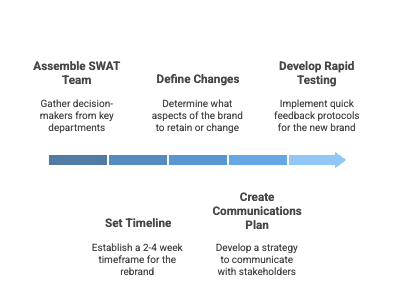
إعادة العلامة التجارية الطارئة الناجحة توازن بين السرعة والاستراتيجية. بدون خطة واضحة — حتى لو كانت سريعة — تخاطر إعادة علامتك التجارية بخلق مشكلات أكثر مما تحل. إليك كيفية رسم استجابتك السريعة مع ضمان ألا يسقط شيء حاسم من بين الشقوق.
-
جمّع فريق سوات الخاص بك – تحتاج إلى صانعي قرار من العلامة التجارية، والقانون، والعلاقات العامة، والعمليات يمكنهم الاجتماع يوميًا واتخاذ القرارات على الفور
-
حدد الجدول الزمني الخاص بك – بالنسبة للطوارئ الحقيقية، استهدف 2-4 أسابيع من القرار إلى الإطلاق
-
حدد ما يجب أن يبقى مقابل ما يجب أن يتغير – ليس كل شيء بحاجة إلى التغيير؛ حافظ على قيمة العلامة التجارية حيثما أمكن
-
أنشئ خطة تواصل – للموظفين, والعملاء, والصحافة
-
طور بروتوكولات اختبار سريعة – لن يكون لديك وقت لأشهر من الاختبار، لكنك لا تزال بحاجة إلى ملاحظات
تطوير هوية وشعار جديدين للعلامة التجارية
غالبًا ما تكون هويتك البصرية الجزء الأكثر ظهورًا في أي إعادة علامة تجارية — والعنصر الأكثر تدقيقًا من جمهورك. تتطلب إعادات العلامة التجارية الطارئة قرارات تصميم سريعة، لكنها لا تزال بحاجة إلى تفكير استراتيجي لضمان أن مظهرك الجديد يرسل الرسالة الصحيحة.
عندما يكون الوقت ضيقا:
-
ابدأ بالاستراتيجية قبل العناصر المرئية – اعرف ما تحاول إيصاله
-
قلّل خيارات التصميم – ليس هذا وقت 20 تصورًا
-
ركّز على البساطة – فالتصاميم المعقدة تستغرق وقتًا أطول للتنفيذ
-
فكِّر في نهج تطوري إن أمكن
-
تأكد من أنه يعمل عبر جميع المنصات فورًا
تطبيق إرشادات العلامة التجارية لضمان الاتساق
حتى إعادة بناء العلامة التجارية فائقة السرعة تحتاج إلى ضوابط. بدون إرشادات واضحة وبسيطة يمكن للجميع اتباعها، ستبدو إعادة بناء علامتك التجارية الطارئة تماماً كما هي—عمل متسرع. إليك كيفية إنشاء هيكل وسط الفوضى.
يجب أن تكون إرشادات العلامة التجارية الطارئة لديك:
-
موجز لكن واضح تماما
-
التركيز على الاحتياجات الفورية أولاً
-
تُشارك مع شخص مركزي مسؤول عن الأسئلة
-
مصحوبة بقوالب يمكن للناس استخدامها فورًا
تعاملت KFC مع هذا بشكل جميل خلال أزمة نقص الدجاج في المملكة المتحدة عام 2018. لقد طوروا بسرعة إرشادات بسيطة لحملة اعتذارهم "FCK" التي حافظت على صوت العلامة التجارية مع التعامل مع المشكلة بشكل مباشر.
كيف تطلق علامتك التجارية الجديدة بفعالية?
لحظة الحقيقة — الظهور العام الأول لإعادة علامتك التجارية — يمكن أن تصنع أو تهدم كل العمل الذي سبقها. إطلاق سيئ التخطيط يمكن أن يقوض حتى ألمع إعادة علامة تجارية، بينما يمكن لإطلاق استراتيجي أن يضخم تأثيرها ويقلل الاضطراب.
بالنسبة لإعادة العلامة التجارية الطارئة، يجب أن تكون استراتيجية الإطلاق لديك:
-
الصدق بشأن سبب حدوث التغيير
-
واضحة بشأن ما يتغير وما لا يتغير
-
جاهز للإطلاق عبر جميع نقاط التواصل في آنٍ واحد
-
مدعومًا من فريق خدمة العملاء لديك بنقاط حوار قوية
تحول فيسبوك السريع إلى ميتا يُظهر كيفية التحكم في السرد أثناء إعادة العلامة التجارية—أعلنوا عن التغيير مع إطلاق صور جديدة وتحديثات الموقع وشرح واضح للرؤية في نفس الوقت.
التفاعل مع جمهورك المستهدف خلال إطلاق إعادة العلامة التجارية
جمهورك لا يتلقى إعادة بناء علامتك التجارية بشكل سلبي فحسب—بل يشارك بنشاط في نجاحها أو فشلها. التفاعل الاستراتيجي أثناء الإطلاق يمكن أن يحوّل المنتقدين المحتملين إلى مؤيدين ويقلل من مقاومة اتجاهك الجديد.
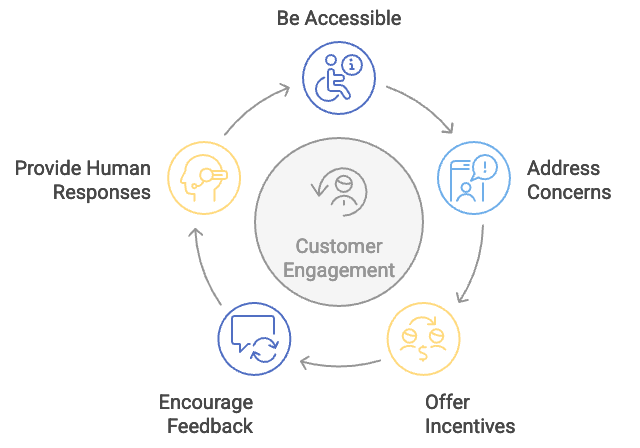
أثناء إطلاق إعادة علامتك التجارية الطارئة:
-
كن حيث يوجد عملاؤك – لا تجعلهم يبحثون عن المعلومات
-
أنشئ قسم أسئلة شائعة بسيط يعالج المخاوف مباشرة
-
فكّر في حافز مباشر لتبنّي العلامة التجارية الجديدة
-
شجع على المشاركة والملاحظات
-
جهّز ردودًا بشرية جاهزة، وليس مجرد رسائل آلية
قياس النجاح بعد تنفيذ استراتيجية إعادة علامتك التجارية
كيف تعرف إن كانت إعادة بناء علامتك التجارية الطارئة قد نجحت؟ المقاييس مهمة—خصوصاً في الأيام والأسابيع الحاسمة التي تلي الإطلاق. نهج القياس الصحيح يمكن أن يساعدك على تصحيح المسار بسرعة وإثبات ROI لأصحاب المصلحة.
تتبَّع هذه المقاييس فور الإطلاق:
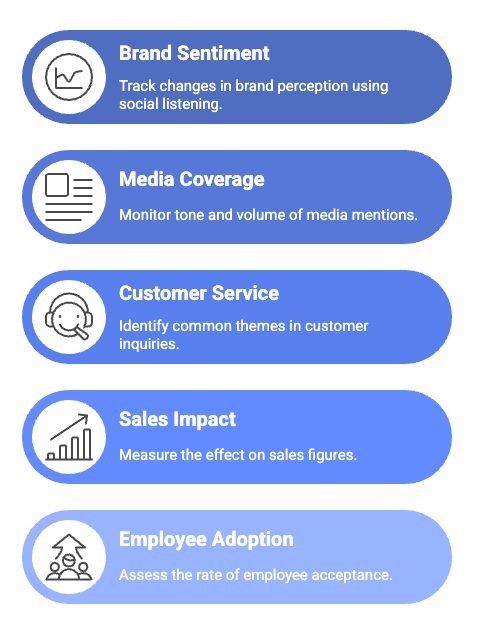
ضع جدولاً للمتابعة بعد 30 يوماً, و60 يوماً, و90 يوماً لتقييم ما إذا كانت إعادة علامتك التجارية الطارئة تحقق أهدافها.
ما الأخطاء الشائعة التي يجب تجنّبها أثناء إعادة العلامة التجارية؟
حتى في الأزمات، الهدف مهم. إعادة العلامة التجارية بدون "why" استراتيجي خلف كل تغيير يمكن أن تتركك بمظهر جديد ولكن بنفس المشاكل القديمة—أو أسوأ، تخلق مشاكل جديدة تمامًا تزيد من أزمتك الأصلية.
أكبر خطأ في إعادة العلامة التجارية الطارئة؟ تغيير الأشياء فقط لـ "do something" دون معرفة ما تحاول تحقيقه. كل تغيير يحتاج إلى "why" واضح خلفه.
تعلّمت Tropicana هذا بالطريقة الصعبة في 2009 عندما غيّرت عبواتها بسرعة دون أهداف واضحة. انخفضت المبيعات بنسبة 20% في شهر واحد فقط, مما أجبرهم على العودة إلى تصميمهم الأصلي.
إهمال مشاركة أصحاب المصلحة في عملية إعادة العلامة التجارية
لا توجد علامة تجارية في عزلة — فهي أصل مشترك بين شركتك وكل من يتفاعل معها. استبعاد أصوات رئيسية من عملية إعادة العلامة التجارية الطارئة ليس مجرد ممارسة سيئة؛ بل يمكن أن يؤدي إلى فشل مدوٍ عندما يرفض أصحاب المصلحة هؤلاء تغييراتك.
حتى في حالة الطوارئ، تحتاج إلى تأييد من:
-
فريقك التنفيذي
-
الموظفون الذين يتعاملون مع العملاء
-
العملاء الرئيسيون
-
المستثمرون (إن وجدوا)
تغيير شعار Gap في 2010 استمرت أسبوعًا واحدًا بالضبط قبل غضب العملاء أجبرتهم على التراجع. السبب؟ لقد تخطوا مشاركة أصحاب المصلحة تمامًا.
الفشل في إيصال التغييرات بفعالية إلى الجمهور
حتى أفضل إعادة علامة تجارية طارئة يمكن أن تفشل إذا لم يفهم جمهورك ما التغييرات ولماذا وكيف. الوضوح والشفافية ليسا مجرد مزايا إضافية — بل عنصران أساسيان يمكن أن يحددا ما إذا كانت إعادة علامتك التجارية ستنجح أم ستصبح كارثة علاقات عامة بحد ذاتها.
ضعف التواصل أثناء إعادة العلامة التجارية قد يجعل الوضع السيئ أسوأ:
-
لا تكن غامضًا بشأن سبب إعادة علامتك التجارية
-
لا تُطلق العلامة التجارية الجديدة دون تفسير
-
لا تتجاهل الحديث الدائر حول علامتك التجارية
" الخاص بـ BPإعادة العلامة التجارية لـ Beyond Petroleum" خلال تسرب النفط في ديب ووتر هورايزون أصبحت دراسة حالة في التوقيت والتواصل غير المناسبين.
كيف تضمن نجاح إعادة تصميم الشعار?
غالبًا ما يكون شعارك أول ما يلاحظه الناس في إعادة علامتك التجارية — وربما العنصر الأكثر إثارة للجدل. في حالات الطوارئ، يتطلب تصميم شعار يوازن بين الألفة والتغيير الضروري مهارة إبداعية وتفكيرًا استراتيجيًا معًا.
يجب أن يكون شعار الاستبدال الطارئ الخاص بك:
-
حافظ على بعض الارتباط بهويتك البصرية الحالية إلا إذا كان ذلك مستحيلاً تمامًا
-
العمل بالأبيض والأسود (للتنفيذ السريع)
-
كن بسيطًا بما يكفي لتُتذكر فورًا
-
تعمل بأحجام صغيرة جدًا وكبيرة جدًا على حد سواء
-
تجنب العناصر الرائجة التي ستتقادم بسرعة
دمج شعارك الجديد في مواد العلامة التجارية الحالية
إطلاق شعار جديد في ظروف طارئة يطرح تحديات عملية تتجاوز التصميم. بدون استراتيجية تنفيذ مدروسة، يمكن أن تقوّض التناقضات إعادة بناء علامتك التجارية وتخلق ارتباكاً بدلاً من الوضوح.
لإطلاق شعارك الجديد بسرعة:
-
أعطِ الأولوية لنقاط الاتصال الرقمية أولًا (الموقع الإلكتروني, وسائل التواصل, البريد الإلكتروني)
-
أنشئ خطة مرحلية للمواد الملموسة
-
طوّر دليلًا بصريًا بسيطًا يوضّح التطبيقات القديمة → الجديدة
-
امنح الشركاء والمورّدين وصولاً سهلاً إلى الأصول الجديدة
تحويل الأزمة إلى فرصة: إعادة العلامة التجارية الطارئة كنقطة انطلاق
إعادة بناء العلامة التجارية الطارئة ليست مجرد السيطرة على الأضرار—إنها تتعلق بالتحول. الشركات التي تخرج أقوى من أزمات العلامة التجارية هي تلك التي ترى في الطارئ فرصة لتصبح شيئاً أفضل مما كانت عليه سابقاً.
تذكّر هذه المبادئ الأساسية بينما تمضي في إعادة علامتك التجارية:
-
الصدق يبني الثقة. يستطيع جمهورك تحمّل الحقيقة حول سبب تغييرك, حتى عندما تكون غير مريحة.
-
السرعة لا تعني الذعر. العمل الحاسم يختلف عن الفوضى التفاعلية.
-
قيمة علامتك التجارية تكمن في أكثر من مجرد شعارك. حدد واحتفظ بما يقدره عملاؤك حقًا.
-
المواءمة الداخلية قبل الإطلاق الخارجي. يحتاج فريقك إلى الإيمان بالاتجاه الجديد قبل أن يفعل عملاؤك.
-
قس ما يهم. ضع مقاييس واضحة لتتبع نجاح إعادة علامتك التجارية من اليوم الأول.
قد تبدو أزمة علامتك التجارية ساحقة اليوم. لكن مع تحرك استراتيجي وعقلية صحيحة, بعد ستة أشهر من الآن قد تقود علامة تجارية أقوى وأكثر مرونة تتصل بجمهورك بشكل أكثر أصالة. الخيار ليس ما إذا كان يجب التغيير—بل كيف تغيّر بهدف.
إعادة علامتك التجارية الطارئة ليست نهاية قصة علامتك التجارية. إنها بداية فصل أفضل.
الأسئلة الشائعة حول استراتيجيات إعادة العلامة التجارية الطارئة
ما مدى سرعة حدوث إعادة العلامة التجارية الطارئة?
مع الفريق والتركيز المناسبين، يمكنك إطلاق هوية جديدة خلال 2-4 أسابيع فقط—رغم أن الطرح التدريجي لبعض العناصر قد يستمر بعد ذلك.
هل سأفقد العملاء أثناء إعادة العلامة التجارية الطارئة؟
بعض فقدان العملاء ممكن, لكن التواصل الواضح يمكن أن يقلل من ذلك—وقد تكسب عملاء جدداً ينجذبون إلى التجديد.
كم يجب أن تكلف إعادة تسمية العلامة التجارية الطارئة?
توقّع أن تنفق من 3 إلى 5 أضعاف ما قد تكلّفه إعادة العلامة التجارية المخطط لها بسبب رسوم الاستعجال, والعمل الإضافي, والحاجة إلى تنفيذ بمشاركة الجميع.
هل يمكنني إدارة إعادة تسمية العلامة التجارية الطارئة داخليًا?
يعتمد الأمر على قدرة فريقك وخبرته. معظم الشركات تستفيد من جلب مساعدة متخصصة، حتى لو كان ذلك فقط لجوانب معينة مثل التصميم أو استراتيجية العلاقات العامة.
هل يجب أن أعلن لماذا نقوم بإعادة العلامة التجارية إذا كان ذلك بسبب حدث سلبي?
نعم—الشفافية تبني الثقة. لا تحتاج إلى الاسترسال في السلبيات، لكن اعترف بالواقع مع التركيز على الاتجاه المستقبلي الإيجابي.