शॉपिंग कार्ट में कोई डोमेन नहीं
इसलिए, जब आपके व्यवसाय के नाम की बात आती है, तो एक ऐसा नाम चुनना अच्छा विचार है जो वैश्विक स्तर पर गूंजता हो। सोचें कि आपका लोगो सांस्कृतिक गहराई को कैसे उजागर कर सकता है जबकि वह प्रासंगिक बना रहे। उदाहरण के लिए, एक नाम-आधारित ब्रांड स्थानीय स्वाद का लाभ उठाकर भावनात्मक संबंध बना सकता है जो पूरी अर्थव्यवस्था में बिक्री बढ़ाते हैं।
भौगोलिक ब्रांड नामों में ताकत होती है—वे आपके व्यवसाय को एक स्थान पर स्थापित करते हैं और साथ ही एक अनोखी कहानी कहते हैं। चाहे आप नई शुरुआत कर रहे हों या अपने व्यवसाय का पुनर्ब्रांडिंग कर रहे हों, यह समझना कि स्थान धारणा को कैसे आकार देता है, एक ऐसा नाम बनाने में बड़ा अंतर ला सकता है जो स्थानीय और वैश्विक दोनों स्तरों पर गूंजता है।
जियो-विशिष्ट ब्रांड नाम वास्तव में क्या हैं?
भौगोलिक-विशिष्ट ब्रांड नाम किसी विशेष शहर, क्षेत्र, देश या भौगोलिक विशेषता को अपनी पहचान के हिस्से के रूप में संदर्भित करते हैं। पतागोनिया, ब्रुकलिन ब्रूअरी या स्विस आर्मी के बारे में सोचें। ये नाम सिर्फ नक्शे पर एक जगह की ओर इशारा नहीं करते—वे उन जगहों से जुड़ी लोगों की भावनाओं को छूते हैं।
भौगोलिक ब्रांड नामकरण सिर्फ यह बताने से आगे बढ़ गया है कि कंपनी कहां शुरू हुई। आज के ब्रांड उन स्थानों द्वारा प्रस्तुत विशिष्ट मूल्यों, गुणों और सांस्कृतिक संदर्भों से जुड़ने के लिए रणनीतिक रूप से स्थान संदर्भों का उपयोग करते हैं।
कंपनियाँ भौगोलिक संदर्भ क्यों चुनती हैं?
कंपनियां भौगोलिक नाम चुनती हैं जब कई ठोस कारण:
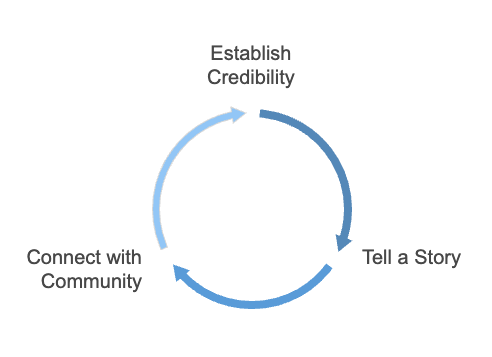
तत्काल विश्वसनीयता: कुछ क्षेत्र विशिष्ट उत्पादों या गुणों के लिए प्रसिद्ध हैं। स्विस घड़ियाँ, इतालवी चमड़ा, और जर्मन इंजीनियरिंग सभी में अंतर्निहित विश्वास होता है जिसका ब्रांड लाभ उठा सकते हैं।
कहानी कहने के शॉर्टकट: एक भौगोलिक नाम आपके ब्रांड को तुरंत एक पृष्ठभूमि कहानी देता है। एरिज़ोना आइस्ड टी को अपनी धूप-भीगी वाइब समझाने की ज़रूरत नहीं है—नाम खुद ही बहुत कुछ कर देता है।
समुदाय संबंध: अपने शहर या क्षेत्र के नाम पर व्यवसाय का नाम रखना स्थानीय समुदाय के प्रति प्रतिबद्धता दिखाता है और आस-पास के ग्राहकों के साथ विश्वास बनाने में मदद करता है। यह दृष्टिकोण अन्य समुदाय-केंद्रित मार्केटिंग रणनीतियों के साथ अच्छी तरह से काम करता है।
स्थान संदर्भ उपभोक्ता धारणा को कैसे आकार देते हैं?
आपके ब्रांड नाम में स्थान शक्तिशाली तरीकों से आपके प्रति लोगों की धारणा को आकार देता है:
शोध से पता चलता है कि छोटे, अधिक विशिष्ट भौगोलिक ब्रांड नाम (जैसे किसी पड़ोस या छोटे शहर का संदर्भ) उपभोक्ताओं द्वारा अधिक प्रामाणिक माना जाता है, जो ब्रांड विश्वास और वफादारी को बढ़ाता है।
भावनात्मक खिंचाव काम करता है क्योंकि स्थानों के अर्थ होते हैं। न्यूयॉर्क लाइफ इंश्योरेंस स्थिरता और ताकत के जुड़ाव को छूता है, जबकि पेटागोनिया अदम्य प्राकृतिक सुंदरता को उजागर करता है।
दिलचस्प बात यह है कि, 72% उपभोक्ता अधिक जुड़ते हैं लोकेशन-आधारित मार्केटिंग आंकड़ों के अनुसार स्थानीय सामग्री के साथ। यह संबंध केवल अच्छा महसूस नहीं कराता—यह बेचता है।
क्या भौगोलिक ब्रांड नाम आपकी पहुंच सीमित करते हैं?
भौगोलिक-विशिष्ट नाम चुनते समय सबसे बड़ी चिंताओं में से एक यह है कि क्या यह आपको सीमित कर सकता है। क्या "Chicago Pizza Company" को लॉस एंजिल्स में बेचने में परेशानी होगी?
वास्तविकता अधिक सूक्ष्म है। जबकि भौगोलिक नाम शुरुआती सीमाएं बना सकते हैं, कई ब्रांडों ने अपने स्थान-आधारित मूल से आगे बढ़कर पार किया है:
-
अमेज़न की शुरुआत दुनिया की सबसे बड़ी नदी के संदर्भ के रूप में हुई थी, लेकिन अब इसका अर्थ और भी अधिक है
-
पैटागोनिया अपने क्षेत्रीय नाम के बावजूद दुनिया भर में बेचता है
-
ब्रुकलिन ब्रुअरी दुनिया भर में निर्यात
फिर भी, भौगोलिक नाम विस्तार के लिए विशिष्ट चुनौतियां पेश करते हैं। यदि आपके दीर्घकालिक लक्ष्य में वैश्विक बाजार पहुंच शामिल है, तो विचार करें कि क्या आपका स्थान संदर्भ अच्छी तरह से यात्रा करता है या अंतरराष्ट्रीय स्तर पर अलग अर्थ रखता है।
भौगोलिक ब्रांड नामों के कुछ शानदार उदाहरण क्या हैं?
सफल को देखते हुए भौगोलिक ब्रांड नाम यह समझने में मदद करता है कि क्या काम करता है:
| ब्रांड |
भौगोलिक संदर्भ |
यह क्यों काम करता है |
| न्यू यॉर्क लाइफ |
शहर |
NYC की स्थिरता और मजबूती की प्रतिष्ठा का लाभ उठाता है |
| पेटागोनिया |
क्षेत्र |
कठोरता और प्राकृतिक सुंदरता का एहसास कराता है |
| एरिज़ोना आइस्ड टी |
राज्य |
ताजगी और धूप का संकेत देता है |
| स्विस मिस |
देश |
स्विट्जरलैंड की गुणवत्ता की प्रतिष्ठा उधार लेता है |
| अमेज़न |
प्राकृतिक विशेषता |
पैमाने और विशालता का संकेत देता है |
हर उदाहरण दिखाता है कि भौगोलिक नाम विकास को सीमित किए बिना कैसे काम कर सकते हैं। इन कंपनियों ने ऐसे स्थान चुने जिनकी विशेषताएं उनके ब्रांड के वादों से मेल खाती थीं।
हाइपरलोकल vs. क्षेत्रीय vs. वैश्विक: अपना पैमाना कैसे चुनें
आपके द्वारा चुना गया भौगोलिक पैमाना मायने रखता है। इसके बारे में ऐसे सोचें:
हाइपरलोकल नाम (पड़ोस, शहर) सबसे अच्छा काम करते हैं जब:
-
आपका प्राथमिक ध्यान एक विशिष्ट समुदाय की सेवा करना है
-
आपके क्षेत्र में स्थानीय गर्व मजबूत है
-
आपकी विशिष्टता गहरे स्थानीय ज्ञान से आती है
क्षेत्रीय नाम (राज्य, देश) तब समझ में आते हैं जब:
-
इस क्षेत्र का आपके उद्योग के साथ सकारात्मक जुड़ाव है
-
आप विस्तार की योजना बना रहे हैं लेकिन अपनी जड़ों को दिखाना चाहते हैं
-
इस क्षेत्र का सांस्कृतिक आकर्षण विशिष्ट है
भौगोलिक विशेषताएं (पहाड़, नदियाँ) लचीलापन प्रदान करते हैं जब:
-
आप सख्त सीमाओं के बिना भौगोलिक जुड़ाव चाहते हैं
-
इस सुविधा का स्थान से परे प्रतीकात्मक अर्थ है
-
आपका लक्ष्य अंततः वैश्विक उपस्थिति है
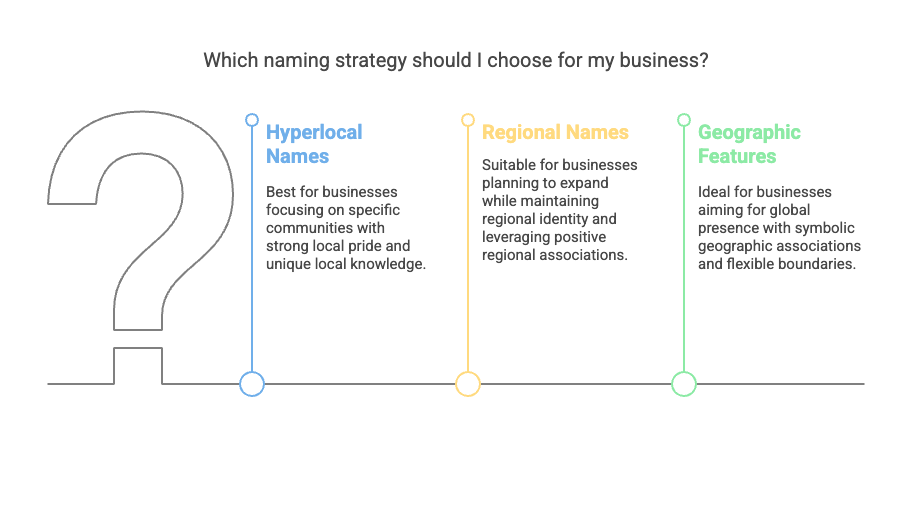
अपने विशिष्ट व्यावसायिक लक्ष्यों के लिए सही नामकरण परंपरा चुनने के बारे में और जानें।
डिजिटल युग में भौगोलिक ब्रांडिंग कैसे काम करती है?
ऑनलाइन दुनिया ने बदल दिया है कि भौगोलिक नाम ब्रांडों के लिए कैसे काम करते हैं। अब, स्थान-विशिष्ट नाम इनमें मदद कर सकते हैं:
लोकल SEO: आपके शहर या क्षेत्र को आपके ब्रांड नाम में रखने से स्थानीय खोजों के लिए खोज रैंकिंग बढ़ सकती है—महत्वपूर्ण क्योंकि 67% विपणक लक्ष्यीकरण का हवाला देते हैं स्थान डेटा के उपयोग के मुख्य लाभ के रूप में।
डिजिटल प्रामाणिकता: बढ़ते डिजिटल बाजार में, भौगोलिक संबंध ब्रांडों को वास्तविक और ठोस चीज़ों से जोड़ने में मदद करते हैं।
लक्षित विपणन: उन्नत AI, जियोफेंसिंग और GPS विश्लेषण ब्रांडों को अत्यधिक प्रासंगिक, संदर्भ-संचालित अनुभव प्रदान करने की अनुमति देते हैं जो भौगोलिक ब्रांडिंग को पूरक बनाते हैं।
क्या आपके ब्रांड नाम को आपके वास्तविक स्थान का संदर्भ देना चाहिए?
यहाँ एक दिलचस्प बिंदु है—आपके ब्रांड का भौगोलिक नाम आपके वास्तविक संचालन स्थान से मेल खाना ज़रूरी नहीं है। विचार करें:
-
हैगन-डाज़्स (स्कैंडिनेवियाई लगता है लेकिन ब्रोंक्स में बना)
-
हॉलिस्टर (कैलिफ़ोर्निया सर्फ वाइब, ओहायो-आधारित कंपनी द्वारा बनाया गया)
-
टिम्बरलैंड (बाहरी न्यू इंग्लैंड अनुभव, वैश्विक स्तर पर आकर्षक)
मुख्य सवाल यह नहीं है कि "आप कहां हैं?" बल्कि "आप कौन सी भावनाएं उधार लेना चाहते हैं?" अगर स्विस सटीकता आपके डलास के वास्तविक पते से अधिक मायने रखती है, तो एक रणनीतिक भौगोलिक संदर्भ उचित हो सकता है। यह दृष्टिकोण उन्नत ब्रांड स्थिति का हिस्सा है जो शाब्दिक विवरणों से परे जाता है।
भौगोलिक नाम और SEO: आपको क्या जानना चाहिए
आपका ब्रांड नाम सिर्फ एक साइन पर अच्छा नहीं लगता—यह खोज परिणामों में एक शक्तिशाली डिजिटल संपत्ति है। जब आप अपने नाम में स्थान को शामिल करते हैं, तो आप सिर्फ एक कहानी नहीं कह रहे; आप अपने आप को एक विशिष्ट खोज पारिस्थितिकी तंत्र में स्थापित कर रहे हैं। अपने भौगोलिक ब्रांड नाम को स्थानीय लोगों के खोजने पर आपको दिखने का शॉर्टकट समझें।
लेकिन यह डिजिटल भौगोलिक खेल अपने साथ अवसरों और नुकसानों का नक्शा लाता है जिसे समझना आवश्यक है। भौगोलिक नाम प्रभावित करते हैं कि लोग आपको ऑनलाइन कैसे खोजते हैं:
लाभ:
-
स्थानीय खोजों के लिए प्राकृतिक कीवर्ड समावेशन
-
खोज इंजनों के लिए स्पष्ट प्रासंगिकता संकेत
-
स्थान-आधारित सामग्री के साथ आसान संबंध
चुनौतियाँ:
-
जब कई व्यवसाय समान भौगोलिक शर्तों का उपयोग करते हैं तो प्रतिस्पर्धा
-
यदि आप अपने नामित क्षेत्र से परे विस्तार करते हैं तो संभावित भ्रम
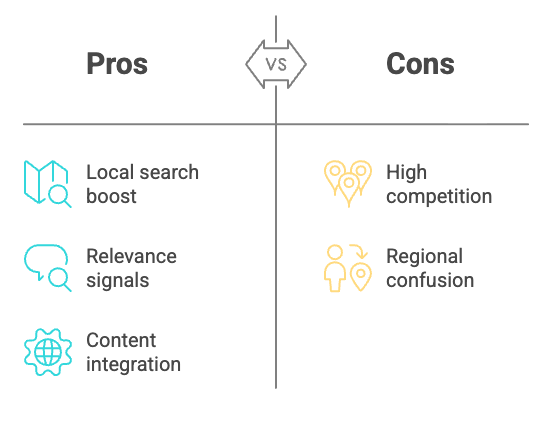
SEO और जियो-टार्गेटिंग के बीच तालमेल ब्रांड की दृश्यता को नया आकार दे रहा है. ब्रांड्स को दृश्यमान बने रहने के लिए पारंपरिक खोज और नए AI-संचालित खोज उपकरणों दोनों के लिए अनुकूलन करना चाहिए.
आप अंतरराष्ट्रीय बाजारों के लिए भौगोलिक ब्रांड नामों को कैसे अनुकूलित कर सकते हैं?
अपने भौगोलिक ब्रांड को वैश्विक बनाते समय, इन तरीकों पर विचार करें:
अनुवाद बनाम ट्रांसक्रिएशन: कभी-कभी आपके स्थान के नाम को केवल अनुवाद की नहीं, बल्कि सांस्कृतिक अनुकूलन की आवश्यकता होती है जो सार को बनाए रखते हुए नए बाजारों में अर्थपूर्ण बनाए।
सांस्कृतिक जाँच: आपका भौगोलिक संदर्भ विदेशों में अनपेक्षित अर्थ ले जा सकता है। नए बाजारों में प्रवेश करने से पहले हमेशा सांस्कृतिक जुड़ाव पर शोध करें।
स्थानीय साझेदारी: कई वैश्विक ब्रांड विस्तार करते समय क्षेत्र-विशिष्ट उत्पाद बनाते हैं। मैकडॉनल्ड्स भारत में मैकआलू टिक्की और जापान में एबी बर्गर पेश करता है जबकि अपने मुख्य ब्रांड को बरकरार रखता है।
दृश्य अनुकूलन: जब आपका नाम स्थिर रहता है, तो स्थानीय स्तर पर अनुकूलित करने के लिए दृश्य तत्वों को समायोजित करें। स्टारबक्स स्थानीय वास्तुकला और स्वाद के आधार पर स्टोर डिज़ाइन करता है। और जानें ब्रांड स्थानीयकरण रणनीतियाँ.
भौगोलिक ब्रांड नामों के साथ क्या कानूनी विचार जुड़े हैं?
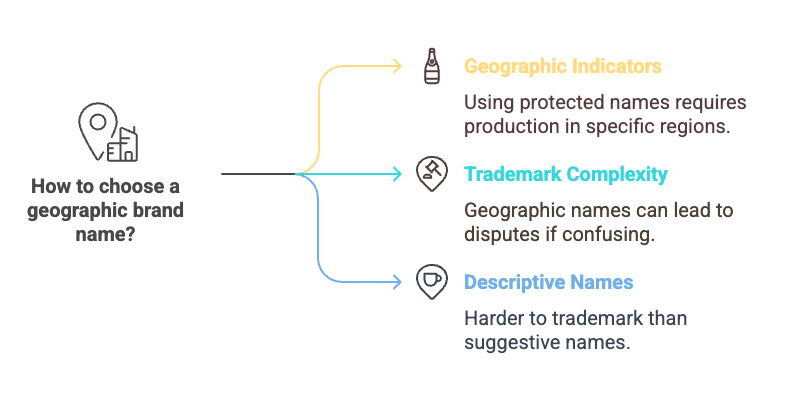
भौगोलिक नाम तय करने से पहले, इन कानूनी कारकों से अवगत रहें:
भौगोलिक संकेतक: कुछ क्षेत्रों में कुछ उत्पादों (जैसे शैंपेन या परमीजियानो-रेजियानो) के लिए संरक्षित दर्जा है—आप इनका उपयोग तब तक नहीं कर सकते जब तक आप उन क्षेत्रों में उत्पादन नहीं करते।
ट्रेडमार्क जटिलता: भौगोलिक नाम हो सकते हैं ट्रेडमार्क विवाद यदि वे उपभोक्ता भ्रम पैदा करते हैं या झूठे संबंधों का संकेत देते हैं।
वर्णनात्मक नाम: पूरी तरह से वर्णनात्मक भौगोलिक नाम (जैसे "Boston Coffee Shop") सुझावात्मक नामों की तुलना में ट्रेडमार्क करना कठिन हो सकता है।
भौगोलिक ब्रांड नामों पर मुख्य निष्कर्ष
-
भौगोलिक ब्रांड नाम स्थान जुड़ाव के माध्यम से तत्काल संबंध बनाते हैं
-
छोटे, विशिष्ट भौगोलिक संदर्भ अक्सर उपभोक्ताओं को अधिक प्रामाणिक लगते हैं
-
स्थान-आधारित नाम आवश्यक रूप से विकास को सीमित नहीं करते हैं—कई वैश्विक ब्रांड उन्हें सफलतापूर्वक उपयोग करते हैं
-
डिजिटल परिवर्तन ने लक्षित विपणन के माध्यम से भू-विशिष्ट ब्रांडिंग को और अधिक शक्तिशाली बना दिया है
-
कानूनी विचारों में संरक्षित भौगोलिक संकेतक और ट्रेडमार्क चुनौतियाँ शामिल हैं
-
चाहे वैश्विक स्तर पर विस्तार हो या स्थानीय रहना हो, सही भौगोलिक संदर्भ स्थायी ब्रांड पहचान बनाने में मदद कर सकता है
-
सर्वश्रेष्ठ भौगोलिक नाम केवल स्थान बताने के बजाय अपने संदर्भों से सकारात्मक गुण उधार लेते हैं
भौगोलिक ब्रांड नाम सबसे अच्छा तब काम करते हैं जब वे निर्देशांक से गहरी किसी चीज़ का दोहन करते हैं—जब वे किसी स्थान को विशेष बनाने वाली भावना, गुणों और संस्कृति को पकड़ते हैं और उन्हें आपके ब्रांड की पहचान के साथ संरेखित करते हैं।
अक्सर पूछे जाने वाले प्रश्न
भौगोलिक ब्रांड नाम क्या हैं और वे महत्वपूर्ण क्यों हैं?
भौगोलिक ब्रांड नाम ऐसे नाम होते हैं जो किसी ब्रांड की पहचान को किसी विशेष स्थान या क्षेत्र से जोड़ते हैं। न्यूयॉर्क लाइफ या पेटागोनिया जैसे ब्रांडों के बारे में सोचें, जो अपनी भौगोलिक जड़ों से जुड़ी कुछ भावनाओं और विचारों को उजागर करते हैं।
ये नाम महत्वपूर्ण हैं क्योंकि वे उस स्थान से जुड़े उपभोक्ताओं के साथ पहचान और जुड़ाव की एक मजबूत भावना पैदा कर सकते हैं।
आप अपने व्यवसाय के लिए सही भौगोलिक ब्रांड नाम कैसे चुनते हैं?
सही भौगोलिक ब्रांड नाम चुनने में उस क्षेत्र या स्थान की विशिष्ट विशेषताओं को समझना शामिल है जिसका आप प्रतिनिधित्व करना चाहते हैं।
अपने आप से पूछें कि यह नाम आपके व्यवसाय और स्थानीय समुदाय से इसके संबंध के बारे में क्या बताता है। विचार करें कि यह नाम आपकी रणनीति और समग्र पहचान के साथ कैसे संरेखित होता है।
क्या भौगोलिक ब्रांड नाम आपकी व्यावसायिक पहुंच को सीमित कर सकते हैं?
बिल्कुल! जबकि भौगोलिक ब्रांड नाम एक मजबूत पहचान बना सकते हैं, वे आपके व्यवसाय की पहुंच को भी सीमित कर सकते हैं।
यदि आप ऐसा नाम चुनते हैं जो किसी विशेष क्षेत्र से बहुत अधिक जुड़ा हो, तो यह उस क्षेत्र के बाहर के ग्राहकों को आकर्षित नहीं कर सकता है।
भौगोलिक ब्रांड नाम और सामान्य नाम में क्या अंतर है?
भौगोलिक ब्रांड नाम विशिष्ट होते हैं और एक जगह की भावना रखते हैं, जबकि सामान्य नाम अधिक अस्पष्ट होते हैं और किसी विशेष स्थान को उजागर नहीं करते।
उदाहरण के लिए, अमेज़न एक वैश्विक नाम है जो किसी विशिष्ट स्थान से जुड़ा नहीं है, जबकि न्यूयॉर्क लाइफ सीधे शहर से जुड़ता है। सामान्य नामों में स्थानीय समुदाय के साथ वही भावनात्मक अपील और संबंध नहीं हो सकता, जो प्रभावित कर सकता है