शॉपिंग कार्ट में कोई डोमेन नहीं
सोचिए पिछली बार जब आप Apple Store में गए थे। i Phone, i Pad, Mac Book – आप बिना किसी के समझाए ठीक-ठीक जानते हैं कि हर एक क्या करता है। यह किस्मत नहीं है। यह प्रोडक्ट नेमिंग आर्किटेक्चर का काम है, और यही वजह है कि Apple की "i" रणनीति ने उन्हें ट्रिलियन-डॉलर कंपनी बना दिया।
आपके ब्रांड का नामकरण सिस्टम सिर्फ कूल नाम चुनने के बारे में नहीं है। यह तेज़ी से स्केल करने, भरोसा बनाने, और ग्राहकों की ज़िंदगी आसान बनाने का आपका गुप्त हथियार है। लेकिन बात यह है – ज़्यादातर ब्रांड्स इसमें बहुत बड़ी गलती करते हैं।
प्रोडक्ट नेमिंग आर्किटेक्चर क्या है?
उत्पाद नामकरण आर्किटेक्चर आपके पूरे ब्रांड पोर्टफोलियो में नाम बनाने, व्यवस्थित करने और प्रबंधित करने के लिए आपका रणनीतिक ब्लूप्रिंट है। यह वह संरचित दृष्टिकोण है जो अराजक उत्पाद श्रृंखलाओं को सुसंगत, यादगार पारिस्थितिक तंत्र में बदल देता है।
इसे घर बनाने की तरह समझो। आप बिना ब्लूप्रिंट के दीवारें खड़ी करना शुरू नहीं करेंगे, है ना? नेमिंग के साथ भी यही बात है।
⚠️ चेतावनी: आर्किटेक्चर के बिना, आप एक उलझन भरी गड़बड़ में फँस जाएँगे जिससे कस्टमर्स का सिर घूम जाएगा – और उनके बटुए बंद हो जाएँगे।
सबसे अच्छी बात? लगातार एक जैसी ब्रांड प्रेज़ेंटेशन वाली कंपनियाँ, जिनमें स्ट्रैटेजिक नेमिंग भी शामिल है, कर सकती हैं राजस्व में 23% तक की बढ़ोतरी करें. यह कोई छोटी-मोटी रकम नहीं है.
आपके ब्रांड के लिए प्रोडक्ट नामकरण आर्किटेक्चर क्यों मायने रखता है
सुसंगत ब्रांड प्रस्तुति वाली कंपनियाँ, जिनमें रणनीतिक नामकरण भी शामिल है, अपने राजस्व को 23% तक बढ़ा सकती हैं। आपकी नामकरण आर्किटेक्चर उन निर्णायक शुरुआती क्षणों में या तो आपके पक्ष में काम करती है या आपके खिलाफ।
वे स्कैन कर रहे हैं, जज कर रहे हैं, और आगे बढ़ रहे हैं – यह सब सेकंडों में। उन अहम पलों में आपकी नेमिंग आर्किटेक्चर या तो आपके पक्ष में काम करती है या आपके खिलाफ।
आपका नेमिंग सिस्टम तीन ज़रूरी काम करता है:
-
तुरंत पहचान बनाता है: जब कोई "i Phone 15 Pro," सुनता है, तो उसे तुरंत समझ आ जाता है कि यह Apple का प्रीमियम फ़ोन है। कोई भ्रम नहीं, कोई दुविधा नहीं।
-
ब्रांड इक्विटी बनाता है: हर नया प्रोडक्ट लॉन्च शुरू से शुरू करने के बजाय आपके मास्टर ब्रांड को और मजबूत करता है। मजबूत नामकरण सिस्टम से समर्थित, उच्च लॉयल्टी वाले ब्रांड उत्पन्न करते हैं राजस्व में 9 गुना तक की बढ़ोतरी कमजोर वफादारी वाले ब्रांडों की तुलना में.
-
आपके व्यवसाय को स्केल करता है: क्या आप अगले साल 50 प्रोडक्ट लॉन्च करना चाहते हैं? अच्छी नेमिंग आर्किटेक्चर इसे आसान बना देती है। खराब आर्किटेक्चर इसे दुःस्वप्न बना देती है।
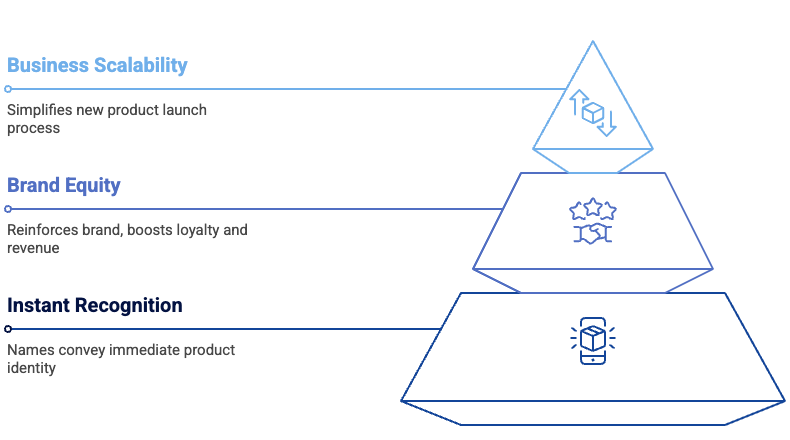
प्रभावी प्रोडक्ट नेमिंग आर्किटेक्चर के मुख्य घटक
एक शानदार नामकरण आर्किटेक्चर बनाना रॉकेट साइंस नहीं है, लेकिन यह बोर्ड पर डार्ट फेंकना भी नहीं है। आपको तीन मुख्य टुकड़ों की आवश्यकता है जो एक अच्छी तरह से तेल लगी मशीन की तरह मिलकर काम करें। इनमें से कोई एक भी छूट गया, तो आपका पूरा सिस्टम ताश के पत्तों के घर से भी तेजी से बिखर जाएगा।
ब्रांड पहचान की नींव
आपका नेमिंग फ्रेमवर्क इस समझ से शुरू होता है कि आप कौन हैं। Apple जानता है कि वे व्यक्तिगत सशक्तिकरण की बात करते हैं – इसलिए "i" प्रीफ़िक्स, जो आपको यह एहसास कराता है कि हर प्रोडक्ट व्यक्तिगत रूप से आपका है।
कुछ भी नाम देने से पहले, इन बातों को तय करें:
-
आपके ब्रांड की मुख्य पर्सनालिटी – क्या आप नियम तोड़ने वाले टेक विद्रोही हैं या सुरक्षित खेलने वाले भरोसेमंद सलाहकार? यह तय करता है कि आप "Rebel" जैसे बिंदास नाम चुनेंगे या "Enterprise Pro." जैसे प्रोफेशनल नाम।
-
आपको प्रतिस्पर्धियों से अलग क्या बनाता है – अगर बाकी सब बोरिंग वर्णनात्मक नाम इस्तेमाल करते हैं, तो शायद चतुर शब्दों का खेल आपको अलग बनाता है। अगर बाज़ार काल्पनिक नामों से भरा है, तो साफ़ वर्णनात्मक नाम आपकी बढ़त हो सकते हैं।
-
आप चाहते हैं कि ग्राहक कैसा महसूस करें – सशक्त? परिष्कृत? किसी एक्सक्लूसिव क्लब का हिस्सा? Apple के "i" आपको यह एहसास कराते हैं कि प्रोडक्ट्स निजी तौर पर आपके हैं, जबकि Mercedes के मॉडल नंबर आपको लगता है कि आप किसी एलीट श्रेणी में शामिल हो गए हैं.
नामकरण पदानुक्रम संरचना
यह वह जगह है जहाँ आप तय करते हैं कि आपके नाम एक-दूसरे से कैसे जुड़ते हैं. आपके पास कई विकल्प हैं:
-
अम्ब्रेला/ब्रांडेड हाउस: सब कुछ Google करो – Google Maps, Google Drive, Google Sheets. सिंपल, पावरफुल, और ज़बरदस्त ब्रांड इक्विटी बनाता है।
-
सब-ब्रांड आर्किटेक्चर: Apple का दृष्टिकोण. i Phone, i Pad, Mac Book सभी जुड़े हुए महसूस होते हैं लेकिन अपनी अलग पहचान रखते हैं.
-
ब्रांडों का घर: Procter & Gamble शैली – Tide, Crest, Pampers. हर ब्रांड अलग खड़ा होता है लेकिन डीएनए साझा करता है.
-
हाइब्रिड सिस्टम: Unilever जैसी कंपनियाँ अलग-अलग तरीकों का मिश्रण करती हैं, कुछ प्रोडक्ट्स के लिए अम्ब्रेला ब्रांडिंग (Dove साबुन, Dove शैम्पू) और दूसरों के लिए अलग-अलग नाम (Ben & Jerry's) का इस्तेमाल करना।
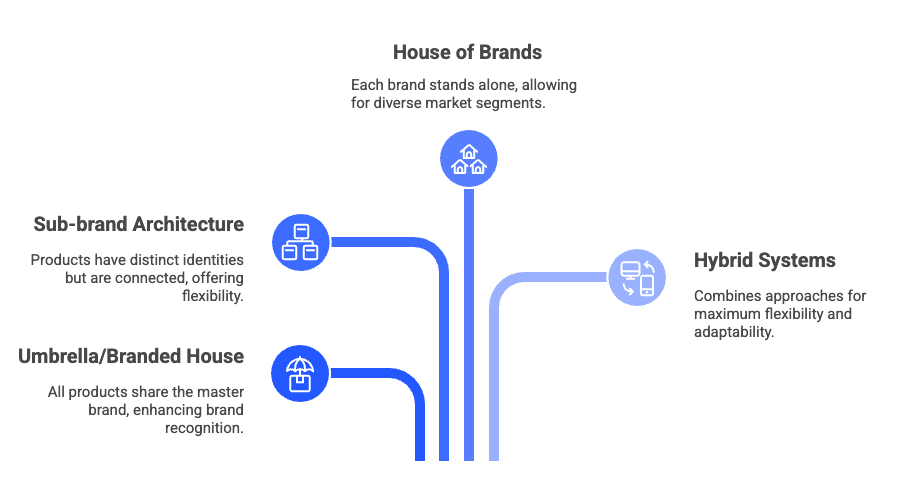
लक्षित दर्शकों का संरेखण
अलग-अलग दर्शक अलग-अलग नामकरण शैलियों पर प्रतिक्रिया देते हैं, और इसे समझना आपके उत्पाद लॉन्च को सफल या असफल बना सकता है। टेक लोग ऐसे कार्यात्मक नाम पसंद करते हैं जो उन्हें बताते हैं कि कोई चीज़ वास्तव में क्या करती है – जैसे "Power Shell" या "Auto CAD."। वे क्षमता पहले से जानना चाहते हैं।
मिलेनियल्स को चतुर शब्द-खेल और पर्सनैलिटी वाले नाम रास आते हैं – "Warby Parker" या "Dollar Shave Club" जैसे ब्रांड उनकी भाषा बोलते हैं।
एग्जीक्यूटिव्स कुछ ऐसा चाहते हैं जो सीरियस और स्थापित लगे – वे "Enterprise Solutions" या "Professional Services" जैसे नामों की ओर खिंचे चले आते हैं जो स्थिरता और विशेषज्ञता का संकेत देते हैं।
हाल के रुझान दिखाते हैं कि कंपनियाँ उपभोक्ता-केंद्रित नामकरण को लेकर और स्मार्ट हो रही हैं, लॉन्च से पहले फोकस ग्रुप्स के साथ नामों को टेस्ट करना, बजाय इसके कि बस सबसे अच्छा होने की उम्मीद की जाए। स्मार्ट ब्रांड्स अब प्रक्रिया में शुरुआती दौर में ही नामों को कई ऑडियंस सेगमेंट्स के ज़रिए चलाते हैं।
वे ऐसे सवाल पूछ रहे हैं: क्या यह नाम 25 साल के डिज़ाइनर को समझ में आता है? क्या 50 साल के CFO इसे गंभीरता से लेगा? क्या गैर-देशी अंग्रेज़ी बोलने वाला इसे आसानी से उच्चारित कर सकता है?
यह रिसर्च-फर्स्ट तरीका फायदा दे रहा है। जो कंपनियाँ लॉन्च से पहले असली ग्राहकों के साथ नाम टेस्ट करती हैं, उन्हें ज्यादा अपनाने की दर मिलती है और यह समझाने पर कम खर्च करना पड़ता है कि उनके प्रोडक्ट असल में करते क्या हैं।
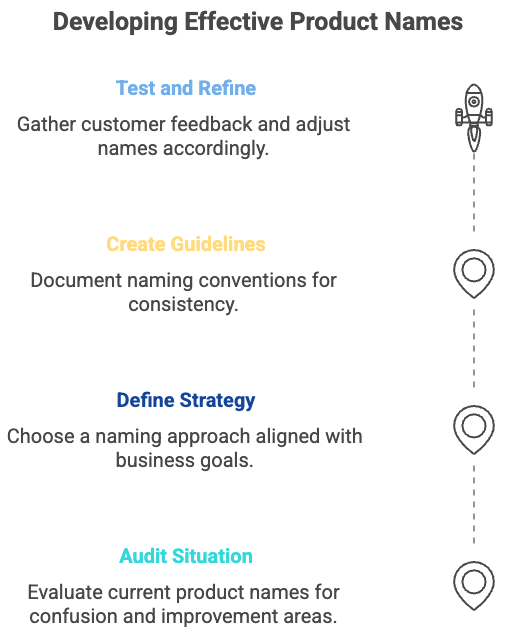
अपना ब्रांड नेमिंग फ्रेमवर्क कैसे बनाएँ
यह पहले दिन ही परफेक्शन की बात नहीं है। यह एक मज़बूत नींव बनाने की बात है जिसे आप बढ़ने के साथ निखार सकते हैं। इसे घर बनाने की तरह समझें: कमरों को सजाने से पहले आपको सही नींव चाहिए।
स्टेप 1: अपनी मौजूदा स्थिति का ऑडिट करें
जो आपके पास है, उस पर गंभीरता से नज़र डालें। क्या आपके उत्पाद नाम हर जगह बिखरे हुए हैं? क्या ग्राहक इस बात से भ्रमित हो जाते हैं कि कौन-सी चीज़ किसके साथ जाती है? Bईमानदार रहें – यहीं पर ज़्यादातर ब्रांड्स को पता चलता है कि वे इसे ज़रूरत से बहुत ज़्यादा मुश्किल बना रहे थे।
चरण 2: अपनी आर्किटेक्चर रणनीति तय करें
अपने बिजनेस लक्ष्यों के आधार पर अपना तरीका चुनें:
-
अधिकतम ब्रांड पहचान चाहते हैं? अम्ब्रेला नेमिंग चुनें।
-
अलग-अलग ग्राहक सेगमेंट को टारगेट कर रहे हैं? हाउस ऑफ ब्रांड्स अप्रोच पर विचार करें.
-
प्रयोग करने का लचीलापन चाहते हैं? हाइब्रिड आपके लिए एकदम सही हो सकता है.
स्टेप 3: नेमिंग गाइडलाइंस बनाएं
हर चीज़ को डॉक्यूमेंट करें. आप कौन से प्रीफिक्स इस्तेमाल करते हैं? आप वर्ज़न नंबर कैसे हैंडल करते हैं? नामों में कैसा टोन होना चाहिए? आपके बढ़ने के साथ निरंतरता सुनिश्चित करने के लिए आंतरिक गवर्नेंस प्रक्रियाएँ बेहद ज़रूरी हैं.
चरण 4: परीक्षण और परिष्करण करें
बोर्डरूम में शानदार लगने वाले नाम असली ग्राहकों के साथ कभी-कभी बुरी तरह फ्लॉप हो जाते हैं. शुरुआत में ही टेस्ट करें, बार-बार टेस्ट करें, और अपने पसंदीदा नामों से ज़्यादा जुड़ाव न रखें.
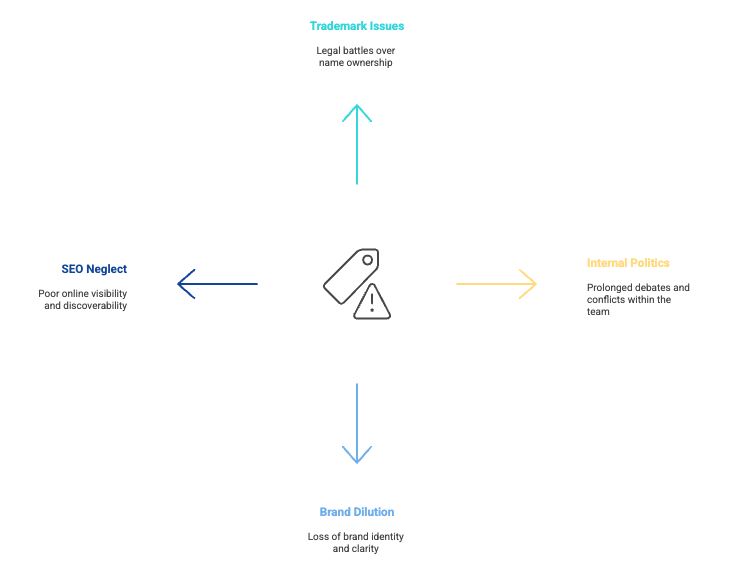
प्रोडक्ट नामकरण की आम गलतियाँ (और उनसे कैसे बचें)
चलिए उन चीज़ों की बात करते हैं जो ब्रांड मैनेजर्स को रातों-रात जगाए रखती हैं। ये छोटी-मोटी गलतियाँ नहीं हैं – ये ऐसी गलतियाँ हैं जो लाखों का नुकसान करती हैं और आपको डेस्क के नीचे छिपने का मन करती हैं।
अच्छी खबर? अगर आप जानते हैं कि किस चीज़ पर नज़र रखनी है, तो इन्हें पूरी तरह रोका जा सकता है। इसे नामकरण आपदाओं के लिए अपना प्रारंभिक चेतावनी सिस्टम समझें।
-
ट्रेडमार्क के दुःस्वप्न: भीड़-भाड़ वाले बाज़ारों की वजह से ग्लोबल ट्रेडमार्क हासिल करना मुश्किल होता जा रहा है। किसी नाम से प्यार करने के बाद नहीं, बल्कि शुरुआत में ही लीगल सर्च शुरू करें।
-
आंतरिक राजनीति: नामों को लेकर सबकी अपनी राय होती है। फैसले लेने की साफ प्रक्रियाएँ पहले से तय करें, वरना आप महीनों ऐसी नेमिंग कमेटियों में बिता देंगे जो कहीं नहीं पहुँचतीं।
-
ब्रांड डाइल्यूशन: बहुत सारे अलग-अलग नेमिंग तरीके ग्राहकों को कन्फ्यूज़ करते हैं और आपके ब्रांड को कमज़ोर बनाते हैं। अपने आर्किटेक्चर नियमों पर टिके रहें।
-
एसईओ को नजरअंदाज करना: नामों को ऑनलाइन भी काम करना चाहिए. रचनात्मकता और डिस्कवरेबिलिटी के बीच संतुलन बनाएं.
वास्तविक दुनिया की सफलता की कहानियाँ
अब असली मज़ेदार हिस्सा – देखते हैं इन दिग्गजों ने यह कैसे कर दिखाया। ये सिर्फ़ भाग्यपूर्ण संयोग या मार्केटिंग की बकवास नहीं हैं। इन कंपनियों ने नेमिंग सिस्टम इतने मज़बूत बनाए कि वे प्रतिस्पर्धात्मक खाइयाँ बन गए। जब आपके प्रतिस्पर्धी आपकी नकल करने की कोशिश करते हैं लेकिन कर नहीं पाते क्योंकि आपकी आर्किटेक्चर बहुत स्मार्ट है, तो आप जानते हैं कि आपने कमाल कर दिया।
एप्पल की "i Everything" क्रांति
Apple के स्टैंडअलोन प्रोडक्ट नामों से अपने आइकोनिक "i" प्रीफ़िक्स तक के ट्रांज़िशन ने इतिहास के सबसे सफल में से एक बनाया प्रोडक्ट नेमिंग आर्किटेक्चर. रणनीति:
-
प्रीफ़िक्स एकजुटता: i Phone, i Pad, i Mac, i Pod – तुरंत ब्रांड पहचान
-
टियर्ड नामकरण: i Phone 15, i Phone 15 Pro, i Phone 15 Pro Max – स्पष्ट उत्पाद विभेदीकरण
-
स्केलेबिलिटी: ग्राहकों को उलझाए बिना नई श्रेणियाँ जोड़ना आसान
Google का अम्ब्रेला दृष्टिकोण
Google की नामकरण रणनीति मास्टर ब्रांड को सबसे आगे और केंद्र में रखता है: Google Maps, Google Drive, Google Docs. शून्य से शुरू करने के बजाय हर प्रोडक्ट लॉन्च Google की ब्रांड इक्विटी बनाता है.
फेल्योर केस स्टडीज़: जब नेमिंग आर्किटेक्चर गलत हो जाता है
स्मार्ट ब्रांड अपनी गलतियों से सीखते हैं—लेकिन और स्मार्ट ब्रांड दूसरों की गलतियों से सीखते हैं। ये चेतावनी भरी कहानियाँ सिर्फ़ उन कंपनियों के बारे में नहीं हैं जिन्होंने खराब नाम चुने। ये इस बारे में हैं कि जब खुद टेक दिग्गज रणनीतिक नेमिंग सिद्धांतों को छोड़ देते हैं और अपने ही ग्राहकों को उलझा देते हैं, तो क्या होता है।
नतीजे? अरबों का खोया रेवेन्यू, खराब हुआ कस्टमर भरोसा, और मार्केट के मौके जो प्रतिस्पर्धियों को चाँदी की थाली में परोस दिए गए।
इन असफलताओं को ध्यान से समझें। ये बिल्कुल उजागर करती हैं कि नेमिंग आर्किटेक्चर कितना दमदार हो सकता है—और जब आप इसे गलत करते हैं तो क्या होता है।
गूगल की मैसेजिंग ऐप की गड़बड़ी
गूगल की मैसेजिंग रणनीति यह एक मास्टरक्लास के रूप में खड़ा है कि असंगत नामकरण कैसे ग्राहकों को भ्रमित कर सकता है और बाजार हिस्सेदारी को खंडित कर सकता है। पिछले एक दशक में, Google ने ओवरलैपिंग नामों और अस्पष्ट पोजिशनिंग के साथ कई मैसेजिंग उत्पाद लॉन्च किए और बंद कर दिए:
-
गूगल टॉक (2005-2017)
-
गूगल+ हैंगआउट्स → हैंगआउट्स (2013-2022)
-
एलो (2016-2019) - स्मार्ट मैसेजिंग
-
डुओ (2016-वर्तमान) - केवल वीडियो कॉलिंग
-
गूगल चैट (2017-वर्तमान) - वर्कस्पेस इंटीग्रेशन
-
गूगल मीट (2017-वर्तमान) - वीडियो मीटिंग्स
-
संदेश (Android का डिफ़ॉल्ट SMS ऐप)
नतीजे:
-
उपयोगकर्ताओं को कभी पता ही नहीं चलता था कि कौन-सा ऐप डाउनलोड करना है या दोस्तों को सुझाना है
-
हर नया लॉन्च ब्रांड इक्विटी बनाने के बजाय मौजूदा उत्पादों को कैनिबलाइज़ करता था
-
Google ने मैसेजिंग बाज़ार की हिस्सेदारी Whats App, Signal, और i Message के हाथों गंवा दी
-
एंटरप्राइज़ ग्राहकों ने लंबे समय तक टिकने की अनिश्चितता के कारण Google के कम्युनिकेशन टूल्स से परहेज़ किया
सबक: स्पष्ट नामकरण पदानुक्रम के बिना, बड़ी टेक कंपनियां भी अपने ग्राहकों को भ्रमित कर सकती हैं। Google के मैसेजिंग ऐप्स को अन्य उत्पादों (Google Drive, Google Maps, Google Docs) के साथ अपने सफल मॉडल का पालन करना चाहिए था - स्पष्ट भेदभाव के साथ एक मास्टर ब्रांड।
माइक्रोसॉफ्ट की विंडोज़ नामकरण उलझन (2012-2015)
Microsoft ने बड़े पैमाने पर बनाया बाज़ार में भ्रम जब उन्होंने तीन अलग-अलग "Windows" उत्पाद एक साथ अस्पष्ट नामकरण के साथ लॉन्च किए:
-
Windows 8 (डेस्कटॉप/लैपटॉप ऑपरेटिंग सिस्टम)
-
Windows RT (टैबलेट-केवल ARM प्रोसेसर संस्करण - नियमित Windows सॉफ़्टवेयर नहीं चला सकता था)
-
विंडोज़ फ़ोन 8 मोबाइल ऑपरेटिंग सिस्टम
नतीजे:
-
ग्राहकों ने Windows RT टैबलेट खरीदे यह सोचकर कि उन्हें पूर्ण Windows कंप्यूटर मिल रहे हैं
-
रिटर्न दरें उछल गईं क्योंकि लोगों ने पाया कि उनका सॉफ़्टवेयर काम नहीं करेगा
-
रिटेलर्स अंतर समझाने में जूझते रहे, जिससे बिक्री का नुकसान हुआ
-
Windows RT को सिर्फ दो साल बाद बंद कर दिया गया था
-
इस उलझन ने Microsoft के मोबाइल प्लेटफ़ॉर्म की नाकामी में योगदान दिया
सबक: मौलिक रूप से अलग प्रोडक्ट्स के लिए एक जैसे नाम ग्राहकों का भरोसा तोड़ देते हैं। Microsoft ने इससे सीखा - अब वे "Windows 11," "Xbox," और "Microsoft 365." जैसी ज्यादा साफ अलग पहचान इस्तेमाल करते हैं।
प्रोडक्ट नेमिंग आर्किटेक्चर का भविष्य
जो बीते कल काम करता था, वह आने वाले कल नहीं चलेगा। नेमिंग का खेल तेज़ी से बदल रहा है, और स्मार्ट ब्रांड्स पहले से ही ढल रहे हैं, जबकि उनके कॉम्पिटिटर्स अभी भी समझ नहीं पा रहे कि उन पर क्या बीती।
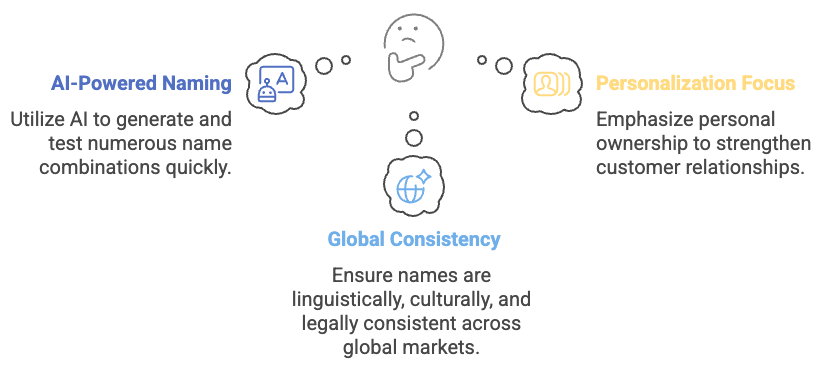
ये दूर की साइंस-फिक्शन भविष्यवाणियाँ नहीं हैं – ये अभी हो रहे ट्रेंड्स हैं जो अगले कुछ सालों में विजेताओं को बनने की कोशिश करने वालों से अलग करेंगे। तीन ट्रेंड ब्रांडों के नामकरण के तरीके को बदल रहे हैं:
-
AI-संचालित नामकरण: कंपनियाँ आर्टिफिशियल इंटेलिजेंस का इस्तेमाल करके हज़ारों नामों के कॉम्बिनेशन तेज़ी से जनरेट और टेस्ट कर रही हैं।
-
व्यक्तिगतकरण पर फोकस: व्यक्तिगत स्वामित्व की भावना जगाने वाले नाम (जैसे Apple का "i" प्रीफ़िक्स) अधिक लोकप्रिय हो रहे हैं क्योंकि ब्रांड व्यक्तिगत ग्राहक संबंधों पर ध्यान केंद्रित कर रहे हैं।
-
वैश्विक एकरूपता: नेमिंग सिस्टम्स को वैश्विक बाज़ारों में भाषाई, सांस्कृतिक और कानूनी पहलुओं का ध्यान रखना चाहिए।
प्रोडक्ट नेमिंग आर्किटेक्चर के लिए आपके अगले कदम
यहाँ अधिकांश लोग अटक जाते हैं – वे सारी समझदारी भरी सलाह पढ़ते हैं, सिर हिलाते हैं, और फिर कुछ भी नहीं करते। वह व्यक्ति न बनें। आपके प्रतिस्पर्धी पहले से ही अपने नामकरण सिस्टम पर काम कर रहे हैं जबकि आप अभी भी इसके बारे में सोच रहे हैं।
💡 मुख्य अंतर्दृष्टि: अपने प्रोडक्ट नेमिंग आर्किटेक्चर को बनाने का सबसे अच्छा समय तीन साल पहले था। दूसरा सबसे अच्छा समय अभी है।
एक ऐसी नामकरण प्रणाली बनाने के लिए तैयार हैं जो सचमुच काम करे? यहां से शुरू करें:
-
अपने वर्तमान नामों का ऑडिट करें – जो आपके पास है उसे मैप करें और कमियों की पहचान करें
-
अपना आर्किटेक्चर दृष्टिकोण चुनें – ऐसी रणनीति चुनें जो आपके बिजनेस लक्ष्यों के अनुरूप हो
-
नामकरण दिशानिर्देश बनाएं – नियमों को डॉक्यूमेंट करें ताकि सब एक जैसे बने रहें
-
असली ग्राहकों के साथ परीक्षण करें – यह अंदाज़ा मत लगाओ कि क्या काम करता है, इसे साबित करो
-
स्केल के लिए योजना – एक ऐसा सिस्टम बनाएं जो आपके बिज़नेस के साथ बढ़ता जाए
आज जीतने वाले ब्रांड्स सिर्फ सबसे अच्छे प्रोडक्ट्स वाले नहीं होते – वे ऐसे होते हैं जिन्हें ग्राहक समझ सकते हैं, याद रख सकते हैं, और भरोसा कर सकते हैं। आपकी प्रोडक्ट नामकरण आर्किटेक्चर वह नींव है जो तीनों को संभव बनाती है।
खराब नामकरण को अपनी ग्रोथ रोकने न दें। जो कंपनियाँ इसे शुरुआत में ही सही कर लेती हैं, बाद में बाकी सब उन्हीं की नकल करने की कोशिश करते हैं।
अक्सर पूछे जाने वाले प्रश्न
प्रोडक्ट नेम फ्रेमवर्क क्या है?
प्रोडक्ट नेम फ्रेमवर्क एक संरचित दृष्टिकोण के रूप में कार्य करता है जो एक कंपनी की ब्रांड रणनीति के साथ संरेखित नामकरण आर्किटेक्चर विकसित करने के लिए है। यह व्यवसायों को प्रभावी उत्पाद नामकरण रणनीतियाँ बनाने में मार्गदर्शन करता है जो उनके लक्षित दर्शकों के साथ प्रतिध्वनित होती हैं।
प्रोडक्ट पोर्टफोलियो के लिए नेमिंग आर्किटेक्चर क्यों ज़रूरी है?
प्रोडक्ट पोर्टफोलियो के लिए नेमिंग आर्किटेक्चर बहुत ज़रूरी है क्योंकि यह मास्टर ब्रांड और उसके सब-ब्रांड्स के बीच साफ़ पदानुक्रम और रिश्ता बनाता है। एक सुस्पष्ट नेमिंग आर्किटेक्चर उपभोक्ताओं को ब्रांड और प्रोडक्ट श्रेणियों में आसानी से नेविगेट करने में मदद करता है, जिससे ब्रांड इक्विटी बेहतर होती है और ब्रांड पहचान मज़बूत होती है।
एक प्रभावी नेमिंग स्ट्रैटेजी के मुख्य घटक क्या हैं?
मुख्य घटकों में आपकी ब्रांड पहचान की नींव (आप कौन हैं), नामकरण पदानुक्रम संरचना (नाम कैसे संबंधित हैं), लक्षित दर्शकों के साथ तालमेल (क्या प्रभावित करता है), और गवर्नेंस दिशानिर्देश (वे नियम जिन्हें हर कोई फॉलो करता है) शामिल हैं।
आपको ट्रेडमार्क से जुड़े पहलुओं, SEO फैक्टर्स और स्केलेबिलिटी प्लानिंग को पहले दिन से ही शामिल रखना होगा।
प्रोडक्ट नेमिंग में कंपनियाँ सबसे बड़ी गलती क्या करती हैं?
असंगति। वे एक तरीके से शुरू करते हैं, फिर जब कोई और चीज़ ज़्यादा कूल लगती है तो उसे छोड़ देते हैं। इससे ग्राहकों में उलझन पैदा होती है और आपकी बनाई हुई पूरी ब्रांड इक्विटी बर्बाद हो जाती है।
मुझे कैसे पता चलेगा कि मेरे मौजूदा नामकरण सिस्टम को ठीक करने की ज़रूरत है?
अपने आप से पूछें: क्या ग्राहक भ्रमित होते हैं कि कौन से उत्पाद एक साथ जाते हैं? क्या आपके नाम ऐसे लगते हैं जैसे वे अलग-अलग कंपनियों से आए हैं? क्या नए ग्राहकों को आपकी उत्पाद श्रृंखला समझाना मुश्किल है? यदि आप हाँ में सिर हिला रहे हैं, तो यह आर्किटेक्चर ओवरहाल का समय है।