Нет доменов в корзине
Представьте, что вы проходите мимо стильного магазина с логотипом в виде надкушенного яблока. Не задумываясь, вы ассоциируете его с инновациями, креативностью или, может быть, с тем моментом, когда распаковали свой первый i Phone. А теперь вспомните слово «Nike» — чувствуете ли вы прилив мотивации, будто можете пробежать 5 км до завтрака?
Эти ассоциации — не магия. Это нейробиология.
Самые культовые бренды не случайны; они тщательно созданы, чтобы взломать эмоциональную проводку вашего мозга. Такие компании, как Starbucks, Rolex и Coca-Cola, тратят миллионы на создание названий, которые чувствовать настолько же хороши, насколько их продукты вкусны, красивы или звучат. Но как?
В этом посте мы рассмотрим, как нейронаука превращает обычные слова в брендовые активы стоимостью в миллионы. Вы узнаете:
-
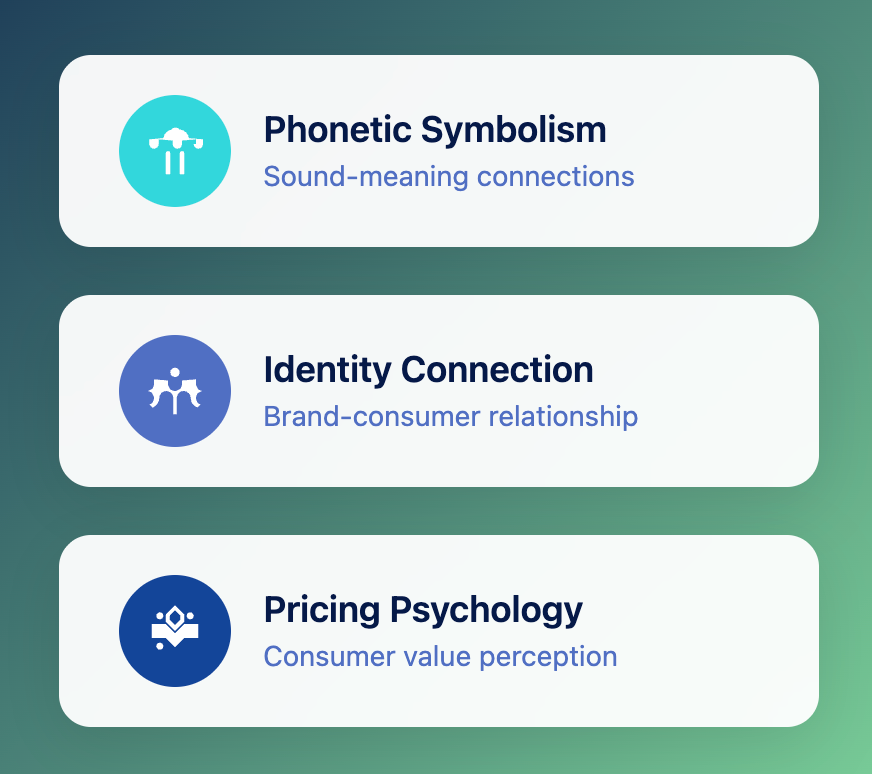
Почему ваш мозг воспринимает «Феррари» иначе, чем «Форд» (подсказка: всё дело в “фонетический символизм”).
-
Как такие бренды, как Apple, захватывают ваш медиальная префронтальная кора чтобы вы чувствовали, что их идентичность — это твой идентичность.
-
Секретная наука о том, почему мы платим 7 долларов за латте в Starbucks, но морщимся от кофе за 3 доллара на заправке.
Готовы увидеть, как профессионалы играют с вашим мозгом? Давайте разберемся, что стоит за успешными историями брендов..
Техники эмоционального брендинга — как ваш мозг влюбляется в логотип
Давайте сразу проясним: вашему мозгу всё равно на логотипы. Ему делает важно то, как эти логотипы заставляют вас чувствовать. Это суть “эмоциональный брендинг” – искусство привязывать идентичность бренда к вашим самым сокровенным желаниям, воспоминаниям и ощущению себя.
Что такое эмоциональный брендинг?
Эмоциональный брендинг — это практика создания кампаний и названий, которые резонируют с эмоциями аудитории, а не только с логикой. Именно поэтому реклама Coca-Cola показывает друзей, смеющихся за газировкой, а не перечисляет калории, или почему слоган Nike «Just Do It» не о характеристиках кроссовок, а о твой потенциал.
Нейронаука показывает, что эмоции управляют 80% решений о покупке, тогда как логика приходит позже, чтобы оправдать их. Когда упоминается или показывается название бренда, например «Apple» или «Tesla», центр вознаграждения в вашем мозге — конкретно, “прилежащее ядро,” загорается. Эта часть мозга отвечает за удовольствие и мотивацию, заставляя вас чувствовать волнение и связь с брендом. Так что вы покупаете не просто продукт – вы принятие идентичности.
Эмоциональный брендинг против функционального: битва в мозгу
Вот в чём фишка: эмоциональный брендинг не просто ерунда. Он буквально меняет то, как ваш мозг обрабатывает информацию. Давайте разберём это на сравнении:
| Аспект |
“Эмоциональный брендинг” |
Функциональный брендинг |
| Фокус |
Чувства, идентичность, ценности |
Функции, характеристики, цена |
| Лояльность клиентов |
Высокий (фанаты Apple обновляются религиозно) |
Низкий (вы перейдете ради лучшей сделки) |
| Пример |
Nike: «Верь во что-то, даже если это значит пожертвовать всем». |
Walmart: «Экономь деньги. Живи лучше.» |
Функциональный брендинг говорит с вашим внутренним бухгалтером. Эмоциональный брендинг говорит с вашим внутренним рассказчиком – той частью вас, которая хочет принадлежать, стремиться или бунтовать.
Наука «чувствовать себя увиденным»: как бренды захватывают вашу личность
Когда-нибудь задумывались, почему байкеры Harley-Davidson делают татуировки с логотипом? Или почему фанаты Apple защищают свои i Phone как семью? Всё потому, что сильные эмоциональные бренды активируют ваш медиальная префронтальная кора (MPFC) – область мозга, связанная с самовосприятием и личными ценностями.
Давайте посмотрим, как это делает Nike. Их название (вдохновлено греческой богиней победы) и кампании не продают обувь. Они продают расширение прав и возможностей. Когда вы видите их swoosh, ваш мозг не думает: «У этой подошвы отличная поддержка свода стопы». Он думает: «Я тот, кто раздвигает границы». Вот почему компании могут брать намного больше, чем стоит производство их товаров, – и почему фанаты охотно платят.
Примеры эмоционального брендинга, которые цепляют как клей
-
Крючок «Счастья» от Coca-Cola : Бренд связывает своё имя с всеобщими моментами радости – праздниками, дружбой, перерывами от работы. Их красно-белый логотип вызывает те же тёплые чувства, что и детское воспоминание.
-
Сенсорная симфония Starbucks : Название «Starbucks» (вдохновлено Моби Дик) звучит авантюрно, а логотип с русалкой и аромат кофе создают мультисенсорный ритуал. Ваш мозг ассоциирует это с “временем для себя” – и платит за это премию.
-
Эффект будущего «я» от Tesla : Tesla продаёт не машины, а видение вашего экологичного, технологичного будущего. Название (в честь изобретателя Николы Теслы) шепчет: «Ты на шаг впереди», задевая тягу мозга к статусу.
Почему ваш мозг прощает латте за 7 долларов
Вот в чём фишка: эмоциональный брендинг не просто заставляет вас хотеть вещи – это заставляет вас рационализировать перерасход. Когда название бренда ощущается глубоко личным, области мозга, отвечающие за принятие решений (например, островковая доля), расслабляются, снижая сигналы «боли от оплаты». Иными словами: вы с радостью отдадите $7 за латте, потому что это похоже на заботу о себе, а не на просто кофеин.
Но это не удача. Это наука.
Что такое эмоциональная связь? (И почему ваш мозг жаждет её)
Давайте сыграем в быструю игру. Что вы чувствуете, когда слышите эти фразы?
-
«Просто сделай это».
-
“Открой счастье.”
-
“Думай иначе.”
Если вы почувствовали проблеск мотивации, ностальгии или любопытства — поздравляем, вы стали объектом эмоционального брендинга. Эти слоганы (и стоящие за ними бренды) не просто описывают продукты; они обращаются к универсальным человеческим желаниям: потребности достигать, принадлежать или выделяться.
Что такое эмоциональная связь в брендинге?
Эмоциональная связь — это когда название бренда или сообщение вызывает личную, инстинктивную реакцию, которая ощущается почти автоматический. Нейронаука показывает, что это происходит, потому что наш мозг запрограммирован на ставить эмоции выше логики.
Эти реакции не случайны. Они созданы с помощью стратегии эмоционального брендинга которые согласуют бренды с ключевыми человеческими мотиваторами: безопасность, статус, принадлежность или самовыражение.
Четыре столпа эмоционального брендинга Марка Гобе
Марка Гобе Четыре столпа эмоционального брендинга помогают брендам устанавливать более глубокую связь с потребителями. Основы —Отношения, сенсорный опыт, воображение и видение— сосредоточьтесь на построении доверия, создании запоминающихся впечатлений и соответствии ценностям потребителей. При правильном использовании они превращают бренды в мощный эмоциональный опыт, который ведёт к лояльности.
| Столп |
Описание |
Пример |
| Отношения |
Построение доверия и лояльности между брендом и потребителем. Это включает вовлечение потребителей в личный диалог и реагирование на их потребности. |
Starbucks создал атмосферу, ориентированную на сообщество, побуждая клиентов чувствовать принадлежность и связь в своих кофейнях. |
| “Сенсорный опыт” |
Воздействие на несколько органов чувств для улучшения запоминания бренда и эмоциональной привязанности. Обращаясь к чувствам потребителей, бренды могут создавать запоминающиеся впечатления. |
Singapore Airlines внедрили фирменный аромат Stefan Floridian Waters, пропитав им горячие полотенца и салоны, создавая неповторимый и запоминающийся опыт полета. |
| Воображение |
Вдохновляя потребителей через креативность и сторителлинг, позволяя им представлять возможности, выходящие за рамки самого продукта. |
Apple продвигает инновации и нестандартное мышление, побуждая потребителей ассоциировать бренд с креативностью и прогрессивным взглядом. |
| Видение |
Согласование духа бренда и долгосрочных устремлений с ценностями и убеждениями потребителей. |
Patagonia встраивает экологический активизм в свою фирменную идентичность, находя отклик у потребителей, для которых важна устойчивость. |
Источник: Запахи имеют смысл: использование обоняния в маркетинге
Интегрируя эти столпы, бренды могут создавать сильные эмоциональные связи с потребителями, что ведёт к повышению лояльности и адвокации.
Как Coca-Cola использует эмоциональный брендинг? (Спойлер: дело не в сахаре)
Гений Coca-Cola заключается в том, чтобы отделить свой продукт (сладкий напиток) от брендинга (символа радости и единения). Вот как они взламывают ваш мозг:
-
Универсальный сторителлинг: В рекламе показывают разные группы людей, которые смеются, танцуют или делятся едой – сцены, активирующие система зеркальных нейронов, заставляя вас косвенно ощущать их радость.
-
Сенсорные триггеры: Звук шипящей бутылки колы или вид её красной этикетки запускают орбитофронтальная кора, связывая бренд с положительными сенсорными воспоминаниями.
-
Ностальгия по майнингу: Их кампания «Поделись колой» использовала персонализированные имена, задействуя гиппокамп (центр памяти) чтобы вызвать воспоминания о детской дружбе.
Как Nike использует эмоциональный брендинг? (Подсказка: всё дело вТы)
Стратегия эмоционального брендинга Nike — это мастер-класс по инженерии идентичности:
-
Расширение возможностей через продукт: Название «Nike» (греч. «победа») символизирует движение, а не обувь. В рекламе спортсмены преодолевают трудности.
-
Инклюзивное стремление: Кампании вроде «You Can’t Stop Us» используют разделённый экран, чтобы показать спортсменов всех уровней, заставляя ваш мозг думать, “Это мог бы быть я”.
-
Сублиминальный звук: Звук «свуша» Nike в рекламе — это обусловленный слуховой сигнал – как колокольчик Павлова – настраивая ваш мозг к действию.
Это не просто маркетинг. Это нейрохимическая связь. Фанаты Nike не просто носят кроссовки; они носят mindset.
Темная сторона эмоционального брендинга: когда лояльность становится зависимостью
Компании часто используют психологические приемы для вовлечения потребителей, но иногда это может иметь негативные последствия. Например, социальные платформы вроде Facebook используют лайки и уведомления для стимуляции системы вознаграждения мозга, вызывая выброс дофамина, что может привести к аддиктивное поведение.
Аналогично, бренды быстрой моды создают ощущение срочности, предлагая ограниченные по времени коллекции одежды, что вызывает боязнь пропустить что-то (FOMO) и побуждая к быстрым решениям о покупке.
Хотя эти стратегии могут повысить вовлеченность и продажи, они также могут привести к нездоровым привычкам, таким как зависимость от социальных сетей или импульсивные покупки.
Грань между лояльностью и манипуляцией тонка. По мере развития нейробрендинга возникают этические вопросы: Должны ли компании «владеть» частями нашей личности?
Но пока давайте сосредоточимся на том, как вы можете использовать эти идеи (этично!) для создания незабываемых брендов.
Нейротехнологии и мультисенсорный маркетинг: между инновациями и этикой
Достижения в носимая нейротехнология прокладывают путь для персонализированных маркетинговых стратегий. Устройства, способные отслеживать активность мозга, такие как ЭЭГ-гарнитуры, становятся все более распространенными, и глобальный рынок носимых устройств для мозга, по прогнозам, значительно вырастет в ближайшие годы.
Эта технология позволяет сбор нейроданных, которые потенциально могут использоваться для адаптации маркетингового контента под индивидуальные предпочтения. Однако использование таких чувствительных данных вызывает этические проблемы и проблемы конфиденциальности, подчёркивая необходимость прозрачного согласия и мер защиты данных.
Традиционный против будущего эмоционального брендинга: противостояние
| Аспект |
Традиционный (2000-е) |
Будущее (2030-е) |
| Источник данных |
Опросы, фокус-группы |
Сканирование ЭЭГ и фМРТ в реальном времени |
| Сенсорные каналы |
Визуальный, слуховой |
Тактильные, обонятельные, нейронные |
| Фокус на этике |
Базовые политики конфиденциальности |
Законы о владении нейроданными, защита от манипуляций |
| Пример |
Имена Coca-Cola «Поделись кока-колой» |
Названия, сгенерированные ИИ, протестированы на путях вознаграждения в мозге |
Источник: Будущее нейромаркетинга
Как построить бренд на миллиард долларов в нейроэпоху (не потеряв душу)
-
Баланс науки & сторителлинга: Используйте нейроинсайты для улучшать человеческое творчество, а не заменять его. Пример: философия Airbnb «Belong Anywhere» в сочетании с персонализированными ароматами для путешествий.
-
Собирайте нейроразнообразные команды: Объедините поэтов, нейробиологов и этиков. Проект Google Euphonia уже сочетает ИИ с логопедами, чтобы помогать людям с ограниченными возможностями.
-
Подготовка к регулированию: Выступайте за законы, которые защищают потребителей и инновации. Думайте о ярлыках «Честная нейроторговля».
Заключение: вывод на миллион долларов
Самые сильные названия брендов – не просто слова, это нейронные короткие пути к нашим сокровенным желаниям. От того, как Coca-Cola захватила счастье, до алхимии идентичности Nike, эмоциональный брендинг работает, потому что обращается к древний мозг, а не табличное мышление.
Но по мере того как технологии открывают прямой доступ к нашим эмоциям, бренды сталкиваются с выбором: использовать уязвимости или действовать подлинно. Победят те, кто соединит нейронауку с тем, что не подделать никакому алгоритму – человечество.
Так что в следующий раз, когда вы будете потягивать латте из Starbucks или зашнуровывать Nike, помните: за вашим мозгом ухаживала наука стоимостью в миллиарды долларов. И теперь вы знаете секрет.
Понравилось это погружение в тайный роман вашего мозга с брендами? Поделитесь с другом – если только не боитесь, что они обвинят вас в своей следующей импульсивной покупке.
Часто задаваемые вопросы
1. Каковы негативные стороны эмоционального брендинга?
Хотя эмоционально заряженные бренды завоевывают лояльность, они рискуют:
-
Нейроэксплуатация: Такие бренды, как Meta, могли бы использовать данные ЭЭГ/AR, чтобы вызывать непроизвольные дофаминовые реакции, создавая вызывающие привыкание паттерны покупок.
-
Культурная гомогенизация: ИИ-оптимизированные названия могут отдавать приоритет универсальным реакциям мозга над локальными языковыми нюансами, размывая культурную идентичность.
2. В чем сила эмоционального брендинга?
Эмоционально резонирующие бренды создают прочные связи с потребителями, формируя их мысли и чувства о продукте:
• Вызывайте положительные ассоциации: “Слоганы вроде Nike” «Просто сделай это» вдохновляют на мотивацию и решимость, заставляя клиентов ассоциировать бренд с личными достижениями и успехом.
• Упрощайте принятие решений: Знакомые бренды, такие как Apple, упрощают выбор — люди чаще выбирают то, что узнают и чему доверяют, не задумываясь.
• Повышение воспринимаемой ценности: Люксовые бренды, такие как Rolex, не просто показывают время; они олицетворяют эксклюзивность, престиж и статус, заставляя людей платить больше за предлагаемый опыт.
3. Что является примером эмоциональной выгоды бренда?
Брендинг Apple:
-
“Самоидентификация”: Apple позиционирует себя как бренд для новаторов, креативщиков и людей, мыслящих наперёд. Владение продуктом Apple – это не просто функциональность, это принадлежность к бренду, олицетворяющему простоту, элегантность и передовые технологии.
-
Сенсорное якорение: Безупречный дизайн, фирменное алюминиевое покрытие и интуитивный интерфейс создают особый сенсорный опыт. Даже звук запуска Mac или тактильные ощущения от i Phone способствуют сильной эмоциональной привязанности.
-
Племенная принадлежность: Apple создает лояльное сообщество пользователей, которые чувствуют связь через общий опыт. Будь то ажиотаж вокруг новых продуктов или эксклюзивная экосистема устройств, покупатели Apple видят себя частью элитной группы единомышленников.
4. Как Nike использует эмоциональный брендинг?
Nike общается с клиентами через вдохновение и расширение возможностей. В её рекламе спортсмены-аутсайдеры, развитие мотивации и личных достижений.
Этот Динамичный дизайн логотипа Swoosh усиливает движение и производительность, в то время как варианты кастомизации создать личную связь, укрепляя лояльность к бренду. Nike продаёт не просто товары — она продаёт амбиции и стремление к успеху.
5. В чем разница между эмоциональным брендингом и рациональным брендингом?
| фактор |
“Эмоциональный брендинг” |
Рациональный брендинг |
| Решающий фактор |
Лимбическая система (интуиция) |
Анализ затрат и выгод |
| Пример бренда |
Tesla (активация статуса) |
Потребительские отчеты (списки функций) |
| Механизм воспоминания |
Кодирование эпизодической памяти |
Хранение семантической памяти |
Эти ответы показывают, как передовая нейронаука трансформирует стратегию брендов, одновременно освещая этические и практические соображения на ближайшее десятилетие.